

Best Supplements for Muscle Recovery (What Actually Works)
TL;DR
- The best recovery supplements are the boring, well-researched ones: protein, creatine, carbohydrates, and electrolytes — not exotic "recovery formulas."
- Protein is #1 — it provides the amino acids that repair muscle damage between sessions. Hitting your daily target matters more than any single recovery product.
- Creatine supports faster recovery and strength retention; carbohydrates refill muscle glycogen; electrolytes restore what you sweat out.
- Most "recovery" benefit actually comes from the fundamentals — sleep, total protein, and managing training load. Supplements support these; they don't replace them.
- Skip the hype: megadose antioxidants can blunt training adaptations, and most proprietary "recovery blends" are underdosed marketing.
Search "best supplements for muscle recovery" and you'll drown in proprietary "recovery formulas" promising miracle results. The reality is refreshingly simple: the supplements that genuinely speed recovery are the well-researched basics — protein, creatine, carbohydrates, and electrolytes — used to support the real recovery drivers of sleep, nutrition, and smart training. This guide ranks what actually works, what's a waste of money, and how to build a recovery stack that's evidence-based rather than hype-based.

What recovery actually means
After a hard training session, your muscles have micro-damage, depleted glycogen (stored carbohydrate), and disrupted fluid/electrolyte balance. "Recovery" is the process of repairing that damage, refilling those stores, and adapting so you come back stronger. Supplements help by supplying the raw materials for each of those processes — but they only work on top of the real foundation: sleep, adequate total nutrition, and sensible training load. No supplement out-recovers chronic under-sleeping or constant overtraining.
The recovery supplements that actually work
1. Protein — the most important by far
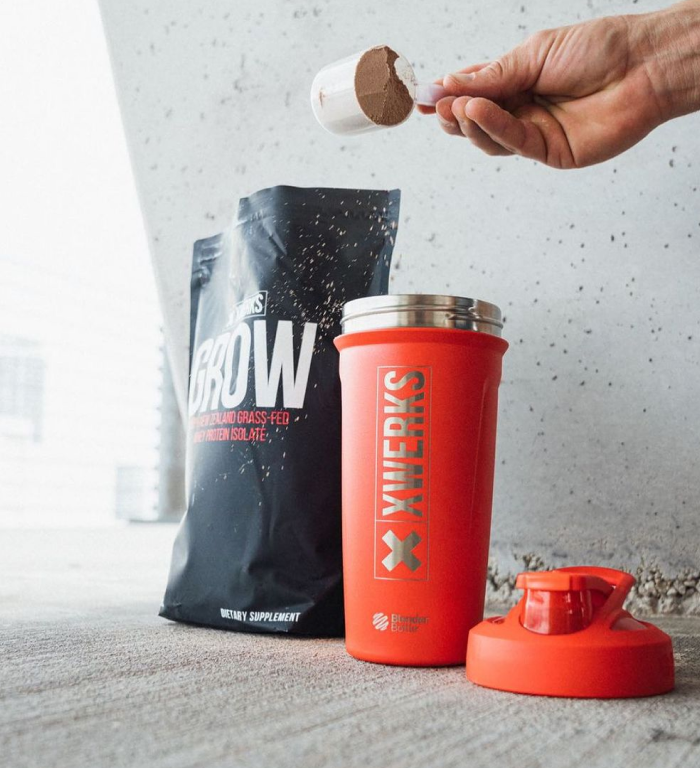
1.6–2.0g/kg/day · 25–40g post-workoutMuscle repair is built from amino acids, and protein supplies them. Adequate daily protein is the single most impactful recovery intervention — it's what actually rebuilds the muscle damaged in training. A post-workout dose of 25–40g is a practical way to kickstart repair, though total daily intake matters most. A fast-absorbing whey isolate like XWERKS Grow is ideal post-training: 25g of leucine-rich protein that digests quickly when your muscles are primed to use it.
2. Creatine monohydrate — recovery & performance retention
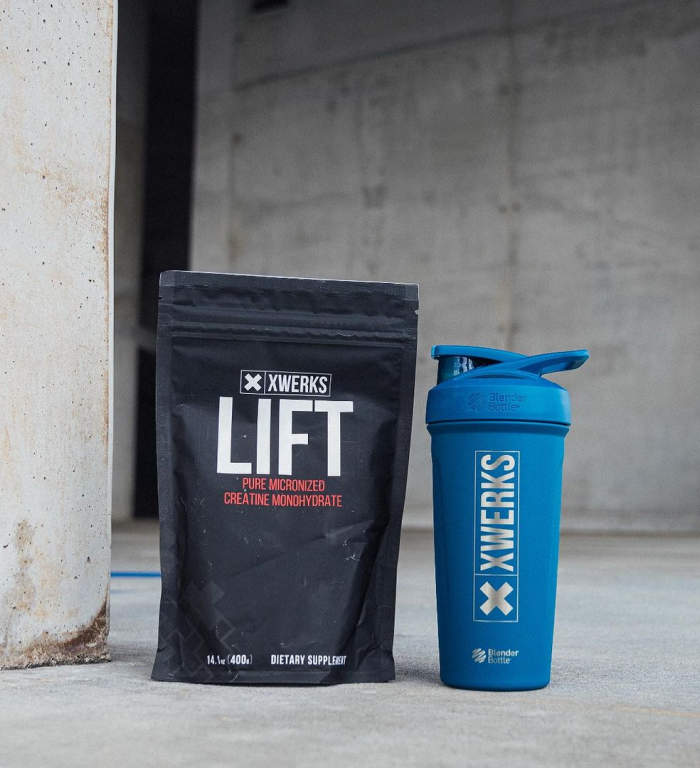
5g dailyBeyond its strength benefits, creatine supports recovery: research suggests it can reduce markers of muscle damage and inflammation after intense exercise and helps replenish the ATP-PCr energy system. Taken consistently (5g daily), it helps you bounce back and retain performance session to session. XWERKS Lift provides 5g of micronized monohydrate.
3. Carbohydrates — refill the tank
Post-workout, scaled to trainingHard training depletes muscle glycogen, and replacing it is central to recovery — especially if you train hard, train twice a day, or do endurance work. Carbohydrates restock glycogen so you have energy for the next session. A low-osmolality carb like the Cluster Dextrin in XWERKS Motion refills glycogen efficiently without GI distress, and pairs well with protein post-workout.
4. Electrolytes & fluid — restore balance
Replace sweat lossesYou lose fluid and electrolytes (especially sodium) through sweat, and restoring them is part of recovery — particularly after long, hot, or heavy-sweat sessions. Proper rehydration with electrolytes (not just water) supports muscle function and reduces cramping. XWERKS Motion includes electrolytes alongside its carbs, covering two recovery needs at once.
5. Tart cherry & omega-3s — modest, situational help
OptionalTart cherry juice and omega-3 fish oil have some evidence for reducing soreness and inflammation, and can be worth including — especially around heavy training blocks or competition. They're genuine but modest add-ons, not foundational. Use them on top of the basics, not instead of them.
What to skip (recovery hype that doesn't deliver)
• Megadose antioxidants (high-dose vitamin C/E around training): Counterintuitively, large antioxidant doses taken around workouts can blunt the training adaptations you're working for. Get antioxidants from food, not megadose pills timed to training.
• Proprietary "recovery blends": Most hide underdosed ingredients behind a blend label. You're usually better off buying the proven basics (protein, creatine, carbs) individually and properly dosed.
• BCAAs (if your protein is adequate): If you're hitting your protein target, standalone BCAAs add little — you're already getting those amino acids from complete protein. (More in our BCAA vs EAA guide.)
• Exotic "miracle" recovery compounds: If it's not protein, creatine, carbs, electrolytes, or one of the modest add-ons above, the evidence is usually thin. Spend your money on what works.
The foundation supplements can't replace
The uncomfortable truth: the biggest recovery levers aren't supplements at all.
Sleep (7–9 hours). The single most powerful recovery tool. Muscle repair and hormonal recovery happen largely during sleep. No supplement compensates for chronic sleep debt.
Total daily nutrition. Adequate calories and protein across the whole day drive recovery far more than any single post-workout product.
Training load management. Recovery is also about not digging a hole you can't climb out of. Sensible programming, deload weeks, and rest days are recovery "supplements" that cost nothing.
Hydration and daily movement. Staying hydrated and doing light movement on rest days supports blood flow and recovery between hard sessions.
A simple, evidence-based recovery stack
Putting it together, here's a no-hype recovery setup that covers every real lever:
Daily: Hit your protein target (1.6–2.0g/kg) using Grow to fill gaps, 5g creatine (Lift), and 7–9 hours of sleep.
Post-workout: 25–40g protein (Grow), plus carbohydrates scaled to how hard you trained — Cluster Dextrin + electrolytes (Motion) for hard, long, or hot sessions.
Around heavy blocks (optional): omega-3s and/or tart cherry for a modest anti-soreness edge.
The Bottom Line
The best supplements for muscle recovery are the well-researched basics: protein (#1 by far), creatine, carbohydrates, and electrolytes. They supply the raw materials your body uses to repair muscle, refill glycogen, and restore fluid balance.
Protein is the cornerstone — hit 1.6–2.0g/kg daily with a fast whey isolate like Grow post-workout. Add creatine (Lift) for recovery and strength retention, and Cluster Dextrin + electrolytes (Motion) to refill glycogen and rehydrate after hard sessions.
Skip the hype — megadose antioxidants can blunt adaptation, and most proprietary recovery blends are underdosed marketing. And remember the real foundation supplements can't replace: sleep, total nutrition, and smart training load.
Further Reading
Lactic Acid: Fuel, Fatigue & Recovery
Does Creatine Make You Bloated?
References
1. Jäger R, et al. International Society of Sports Nutrition position stand: protein and exercise. J Int Soc Sports Nutr. 2017;14:20.
2. Kreider RB, et al. ISSN position stand: safety and efficacy of creatine supplementation. J Int Soc Sports Nutr. 2017;14:18.
3. Cintineo HP, et al. Effects of protein supplementation on performance and recovery in resistance and endurance training. Front Nutr. 2018;5:83.
4. Close GL, et al. The emerging role of free radicals in exercise and the impact of antioxidant supplementation. Sports Med. 2016;46:1-10.
5. Hill J, et al. Tart cherry supplementation and recovery from strenuous exercise: a systematic review and meta-analysis. Int J Sport Nutr Exerc Metab. 2021;31(2):154-167.