

TL;DR
- A useful high-protein snack delivers at least 10g protein — ideally 15-30g — with reasonable calories. Most "protein" marketed snacks deliver 5-8g with candy-bar sugar. Check the label, not the front of the package.
- Best grab-and-go options: Greek yogurt (15-20g), cottage cheese (14g per half cup), jerky (9-12g per oz), hard-boiled eggs (6g each), string cheese (7-8g), tuna packets (16-20g), protein shakes (25g).
- Snacks between meals are the easiest place to close a protein gap — two 20-25g snacks add 40-50g to your day without changing any main meal.
- Watch out for: protein bars with 15g+ sugar, "protein" cookies and chips with 5g protein, nut butters marketed as protein sources (they're mostly fat), and granola/trail mixes with candy-level sugar.
- The cheapest per-gram options are almost always whole foods + whey protein: eggs, cottage cheese, Greek yogurt, canned tuna, and a scoop of whey isolate (~25g for about $1.50-2).
Most people who track protein discover the same problem: the main meals are fine, but the gaps between them are where the daily target falls apart. Breakfast at 7, lunch at noon, dinner at 7 — that's three protein feedings when research on muscle protein synthesis supports four to five spread across the day. Snacks are how you close the gap, and the difference between a snack that works and one that doesn't is simple: a real high-protein snack delivers 15-30g of protein at a calorie cost you can afford; a marketing "protein snack" delivers 5-8g wrapped in sugar. This guide is organized by situation — grab-and-go, desk drawer, savory, sweet, meal-prep, and store-bought — with actual protein counts for everything, the traps to avoid, and how to use whey protein to turn ordinary snacks into 25g+ feedings.

What counts as a high-protein snack
The 3 numbers that matter
Protein: 10g minimum, 15-30g ideal. Research on muscle protein synthesis suggests roughly 20-30g of quality protein per feeding meaningfully stimulates MPS for most adults. A snack in that range functions as a real protein feeding; below 10g, it's just a snack that happens to contain protein.
Calories: protein should earn its keep. A useful ratio check: aim for at least 1g protein per 15 calories for a snack whose job is protein. Greek yogurt (17g protein, 100 calories) crushes this. A "protein" cookie (8g protein, 300 calories) fails it.
Sugar: under 10g, ideally under 5g. Many protein-marketed snacks are candy with a scoop of soy protein. If sugar rivals protein on the label, it's dessert.
Grab-and-go: zero prep, eat anywhere
Greek yogurt (plain, nonfat or 2%)
15-20g per single-serve cupThe single best refrigerated grab-and-go protein snack. Plain beats flavored — flavored cups run 12-18g sugar. Buy plain, add berries or a drizzle of honey and you control the sugar. Skyr (Icelandic style) runs even higher at 17-20g per cup.
Cottage cheese
14g per 1/2 cup · 28g per cupThe comeback story of protein snacking. Casein-dominant, so it digests slowly — particularly good as an evening snack. Single-serve cups exist for portability. Savory (pepper, everything bagel seasoning, hot sauce) or sweet (pineapple, berries) both work.
Hard-boiled eggs
6g each · 12-18g for 2-3Cheap, complete protein with high leucine content. Boil a dozen on Sunday and the week's covered. Two eggs + a piece of fruit is a legitimate 12g mini-meal.
Beef jerky / biltong / turkey sticks
9-12g per ounceShelf-stable, high protein-per-calorie, survives a gym bag or glovebox. Watch sugar on teriyaki-style flavors (some run 6-9g per serving) — original and peppered flavors are usually cleanest. Biltong typically has zero sugar and higher protein per ounce than most jerky.
Tuna and salmon packets
16-20g per pouchThe flavored pouches (lemon pepper, sriracha) need no draining and no can opener. Among the highest protein-per-dollar options in the store. Pair with crackers or eat straight from the pouch.
String cheese / cheese snacks
7-8g per stickKid-coded but effective — two sticks is 15g protein for ~160 calories. Pairs with jerky or an apple for a mixed 20g+ snack.
Whey protein shake
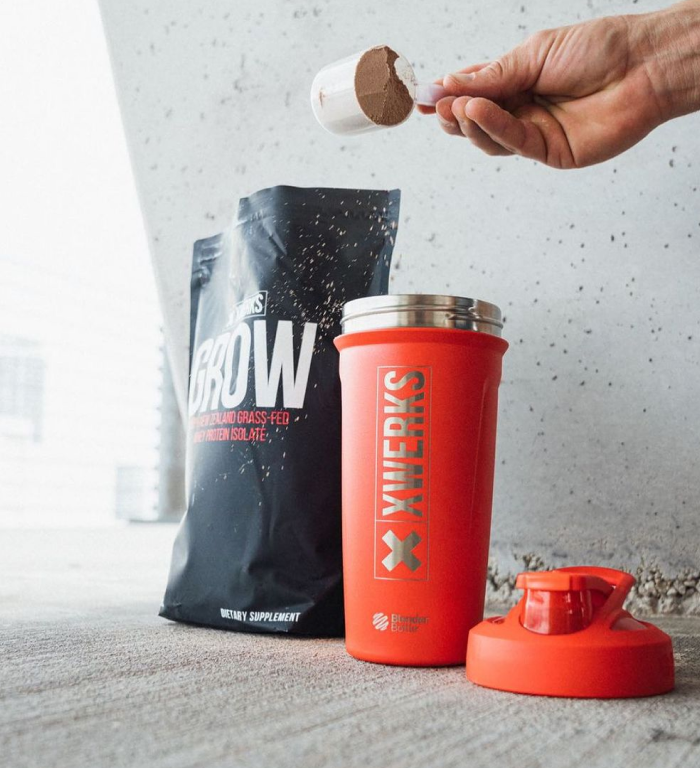
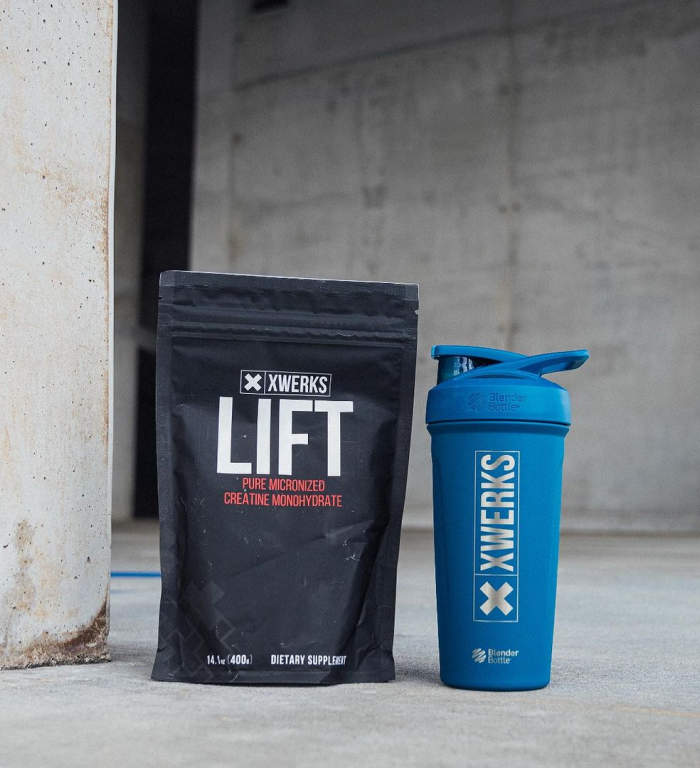
25g per scoopThe highest protein-per-effort option that exists: 25g complete protein, 110 calories, 30 seconds with a shaker bottle and water. A scoop of XWERKS Grow is the snack that requires no refrigeration, no cooking, and no cleanup beyond rinsing a shaker. If your protein target is the goal, this is the tool that makes it trivial.
Edamame (dry-roasted or steamed pods)
11-14g per servingThe best plant-based grab-and-go option. Dry-roasted edamame is shelf-stable and crunchy — a legitimate chips replacement at 13g protein per serving.
Savory snacks
Deli roll-ups
15-20g per 3-4 rollsTurkey or roast beef slices rolled around string cheese or a pickle spear. No bread, high protein, 2 minutes of assembly. 4 rolls with cheese lands around 20g.
Cottage cheese bowl (savory)
20-28gA cup of cottage cheese + cherry tomatoes + cucumber + everything bagel seasoning + olive oil drizzle. Eats like a meal, hits like 25g+ of slow protein.
Tuna salad on cucumber rounds or crackers
18-22gOne pouch of tuna + Greek yogurt (instead of mayo, adds 5g protein) + mustard, on cucumber slices. The Greek yogurt swap is the move — same creaminess, more protein, fewer calories.
Roasted chickpeas
7g per serving (pair it)Crunchy, seasoned, shelf-stable. On its own it's moderate; paired with string cheese or a hard-boiled egg it rounds a snack to 15g+.
Smoked salmon + cream cheese on rice cakes
14-18g2oz smoked salmon delivers ~10g protein; a schmear of cream cheese and two rice cakes make it a legitimate light meal.
Sweet snacks (that still hit)
Protein yogurt bowl
30-40gThe heavyweight: plain Greek yogurt + half scoop of Grow (chocolate or vanilla) stirred in + berries. The whey turns yogurt into dessert and pushes the bowl to 30-40g protein. This is the single highest-protein "sweet snack" that doesn't taste like a compromise.
Protein overnight oats
30-35g1/2 cup oats + scoop of whey + milk, refrigerated overnight. Make three jars on Sunday. Peanut butter Grow + banana slices is the standout combo.
Protein "ice cream" (frozen shake)
25-30gScoop of chocolate whey + frozen banana + splash of milk, blended thick and frozen 30-60 minutes. 25g+ protein for under 300 calories, and it genuinely scratches the ice cream itch.
Apple or banana + peanut butter (the honest math)
5-8g — pair itBeloved, but mostly a fat + carb snack — 2 tbsp peanut butter is 8g protein and 190 calories. Fine as a snack; not a protein feeding. Add a glass of milk or half a protein shake to make it one.
Chocolate milk (or protein milk)
8g per cup · 13g for ultra-filteredUltra-filtered milk brands run 13g per cup with half the sugar of regular chocolate milk. A legitimate post-training snack, especially for younger athletes.
Meal-prep snacks (make once, eat all week)
Egg bites / mini frittatas
12-16g per 2 bitesEggs + cottage cheese blended, poured into muffin tins with vegetables and cheese, baked at 350°F for ~20 min. A dozen bites covers the week's morning snacks. The cottage cheese is the trick — it adds protein and keeps them creamy.
Protein energy balls
6-8g per ball (10-16g for 2)Oats + whey + peanut butter + honey, rolled and refrigerated. Two balls make a real snack. Using whey instead of just oats/PB is what separates these from cookie dough.
Marinated chicken bites
20-25g per portionCube two pounds of chicken breast, marinate, air-fry or bake, portion into containers. Cold chicken bites + hot sauce is an elite desk snack at ~24g per portion.
Homemade trail mix (protein-forward)
10-12g per servingDry-roasted edamame + almonds + pumpkin seeds + a small amount of dark chocolate. Store trail mixes are candy delivery vehicles; building your own around edamame and pumpkin seeds doubles the protein.
Best store-bought options
| Snack | Protein | Calories | Watch for |
|---|---|---|---|
| Plain Greek yogurt cup | 15-20g | 90-140 | Flavored versions: 12-18g sugar |
| Skyr | 17-20g | 100-150 | Same flavored-sugar trap |
| Cottage cheese single | 13-15g | 90-120 | Sodium if tracking |
| Beef jerky (1oz) | 9-12g | 80-100 | Teriyaki flavors: 6-9g sugar |
| Biltong (1oz) | 13-16g | 80-90 | Price per ounce |
| Tuna pouch | 16-20g | 80-110 | Nothing — elite pick |
| String cheese (2) | 14-16g | 140-160 | Nothing — solid pick |
| Hard-boiled eggs (2-pack) | 12g | 140 | Convenience markup vs DIY |
| Protein shake (whey isolate) | 25g | 110-130 | RTD versions cost 2-3x powder |
| Dry-roasted edamame | 11-14g | 120-140 | Nothing — best plant pick |
| Quality protein bar | 15-20g | 200-250 | Many run 15g+ sugar — read labels |
| Ultra-filtered milk (1 cup) | 13g | 90-150 | Nothing — underrated |
The traps — "protein" snacks that aren't
• Protein bars with candy macros: Many popular bars run 15-20g sugar against 10g protein — that's a candy bar with marketing. A quality bar has protein ≥ 20g, sugar ≤ 5g. Plenty exist; most shelf space doesn't go to them.
• "Protein" cookies, chips, and puffs: Typically 5-10g protein for 150-300 calories. The protein is real but the ratio fails — you're eating a snack food with a protein garnish.
• Nut butters as a protein source: Peanut butter is a fat source (16g fat, 8g protein per 2 tbsp). Great food, wrong category. Pair it with actual protein.
• Granola and trail mix: Store versions run 12-20g sugar per serving with 4-6g protein. Candy in a health costume.
• "High protein" smoothie chains: Many blended smoothies run 400-700 calories with 50-80g sugar from juice and sorbet bases. Order with whey + whole fruit + milk, or make your own.
• Hummus as a protein snack: 2 tbsp = 2g protein. It's a healthy fat/carb dip, not a protein source. The chickpea association does heavy marketing lifting.
How snacks fit your daily protein target
The math for a 180-lb lifter
Target: 1.6-2.2g/kg → roughly 130-180g daily. A typical day of three meals at 30-40g each lands at 90-120g — short by 30-60g. That gap is exactly two snacks:
• Mid-morning: Greek yogurt + berries → 18g
• Afternoon: protein shake (Grow in water) → 25g
That's 43g added without changing a single meal — target hit. This is why snacks, not bigger dinners, are the practical fix for chronic protein shortfalls: they're additive, portable, and don't require cooking more at meals you've already built habits around.
FAQ
How much protein should a snack have?
10g minimum to meaningfully contribute; 20-30g if the snack is doing real work toward your target. Below 10g, count it as a regular snack, not a protein feeding.
Are protein bars a good snack?
The right ones are — look for 20g+ protein and under 5g sugar. Many popular bars fail that filter with 15-20g sugar. Bars win on convenience; whole foods and whey win on cost and macros.
What's the best high-protein snack for weight loss?
The highest protein-per-calorie options: plain Greek yogurt, cottage cheese, tuna pouches, egg whites, jerky, and whey isolate in water. All deliver 15-25g protein for under 150 calories, and protein is the most satiating macronutrient — which is the actual mechanism that makes high-protein snacking support fat loss.
What's a good high-protein snack before bed?
Casein-dominant options digest slowly overnight: cottage cheese is the classic. A Greek yogurt bowl works similarly. Research on pre-sleep protein (30-40g casein) suggests modest overnight muscle protein synthesis benefits for people training hard.
Is a protein shake a snack or a meal?
A scoop in water (25g protein, 110 calories) is a snack. Blend it with a banana, oats, and peanut butter and it's a 450-calorie mini-meal. The powder is the flexible part — the rest of the blender decides which one you built.
The Bottom Line
A real high-protein snack delivers 15-30g of protein at a calorie cost you can afford — not 5-8g wrapped in sugar. Check labels; the front of the package is marketing.
The elite grab-and-go tier: Greek yogurt, cottage cheese, tuna pouches, jerky, hard-boiled eggs, and a scoop of whey isolate in water. All 12-25g protein, all under ~150 calories, minimal or zero prep.
Two snacks close most protein gaps. A yogurt mid-morning and a shake in the afternoon add 40-50g without changing a single meal — the practical fix for chronically missing your target.
Whey is the multiplier: stirred into yogurt, oats, or a blender, a scoop turns ordinary snacks into 30g+ feedings. It's also the cheapest quality protein per gram after eggs and canned fish.
Skip: sugary protein bars, protein cookies and chips, nut butter as a "protein source," store trail mix, and smoothie-chain sugar bombs.