Body Recomposition: How to Lose Fat and Build Muscle at the Same Time
TL;DR
- Body recomposition means losing fat and gaining muscle simultaneously — changing your body composition rather than just your scale weight.
- It's absolutely possible, but it's slower than doing either alone. It works best with a small calorie deficit (or maintenance), high protein, and progressive resistance training.
- The two biggest levers: protein intake (1.6–2.2g/kg/day) to build and preserve muscle, and progressive strength training to provide the muscle-building stimulus.
- Who recomps fastest: beginners, people returning after a layoff, those with higher body fat, and anyone not yet near their genetic muscular potential. Advanced lifters recomp much more slowly.
- The scale lies during recomp — track photos, measurements, strength, and how clothes fit, not just bodyweight.
Body recomposition — "recomp" for short — is the holy grail most people actually want: lose fat and build muscle at the same time, ending up leaner and more muscular without the traditional bulk-then-cut cycle. For years the conventional wisdom said it was impossible because building muscle requires a calorie surplus and losing fat requires a deficit. The reality is more nuanced: recomposition is genuinely achievable for many people, it just requires the right approach and patience. This guide explains the science, who can expect the fastest results, and exactly how to set up your training, nutrition, and supplementation to make it happen.

What body recomposition actually is
Body recomposition is the process of simultaneously reducing body fat and increasing (or preserving) muscle mass. The goal isn't to lose weight on the scale — it's to change the ratio of fat to muscle. You can finish a successful recomp weighing exactly the same while looking dramatically leaner, more defined, and more muscular, because you've swapped fat for muscle.
This is why the bathroom scale is a terrible recomp tool. If you lose 4 lbs of fat and gain 4 lbs of muscle, the scale shows zero change — but you look and perform completely differently. Recomp is measured in the mirror, the tape, and the gym, not the scale.
Is it really possible to build muscle and lose fat at once?
Yes — with important caveats. The old "impossible" argument assumed muscle gain strictly requires a calorie surplus. But your body can pull energy from stored fat to help fuel muscle growth, especially when the muscle-building stimulus (training) and raw materials (protein) are strongly present. Research has repeatedly documented simultaneous fat loss and muscle gain, particularly in certain populations.
The three pillars of body recomposition
Pillar 1: High protein intake
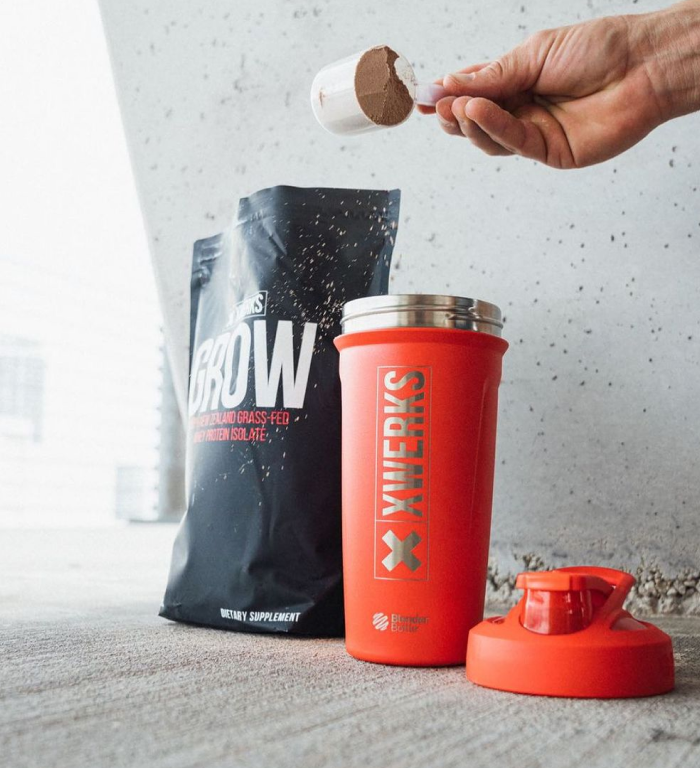
This is the single most important nutritional factor. High protein does double duty in a recomp: it preserves (and helps build) muscle while you're in a deficit, and it's the most satiating macronutrient, making the deficit easier to sustain. Target 1.6–2.2g of protein per kg of bodyweight per day — the higher end is especially useful when in a deficit. This is where a clean protein like XWERKS Grow earns its place: hitting 150g+ of protein daily while cutting calories is hard from whole food alone.
Pillar 2: Progressive resistance training
Lifting weights with progressive overload is the stimulus that tells your body to build muscle instead of losing it during a deficit. Without it, a calorie deficit causes you to lose both fat and muscle. Focus on compound movements (squats, deadlifts, presses, rows, pull-ups), train each muscle group 2–3x per week, and progressively add weight or reps over time. This is non-negotiable — it's what separates recomp from just "losing weight."
Pillar 3: Calorie balance (small deficit or maintenance)
For most people, recomp works best at maintenance calories or a small deficit (roughly 200–400 calories below maintenance). A large deficit makes muscle gain very difficult; a surplus shifts you toward bulking. The sweet spot lets you tap stored fat for energy while providing enough fuel and protein to support muscle growth. Beginners and higher-body-fat individuals can often run a slightly larger deficit and still gain muscle.
How to set up your recomposition
| Variable | Recomp setup | Why |
|---|---|---|
| Calories | Maintenance to –400/day | Tap fat stores without starving muscle growth |
| Protein | 1.6–2.2g/kg/day | Build & preserve muscle; satiety |
| Training | Resistance, 3–5x/week, progressive | The muscle-building stimulus |
| Carbs/fats | Fill remaining calories | Fuel training & hormones |
| Cardio | Optional, moderate | Aids fat loss; don't overdo it |
| Sleep | 7–9 hours | Recovery & hormonal support |
| Timeline | Months, not weeks | Recomp is slow by nature |
The supplement strategy for recomposition
Protein powder — the cornerstone
Hitting a high protein target in a calorie deficit is the hardest part of recomp, and it's exactly what protein powder solves. A lean whey isolate adds 25g of muscle-supporting protein for ~110 calories — far more protein-dense than most whole-food options. XWERKS Grow is ideal here: high protein, low calorie, clean ingredients.
Creatine monohydrate — preserve muscle & performance
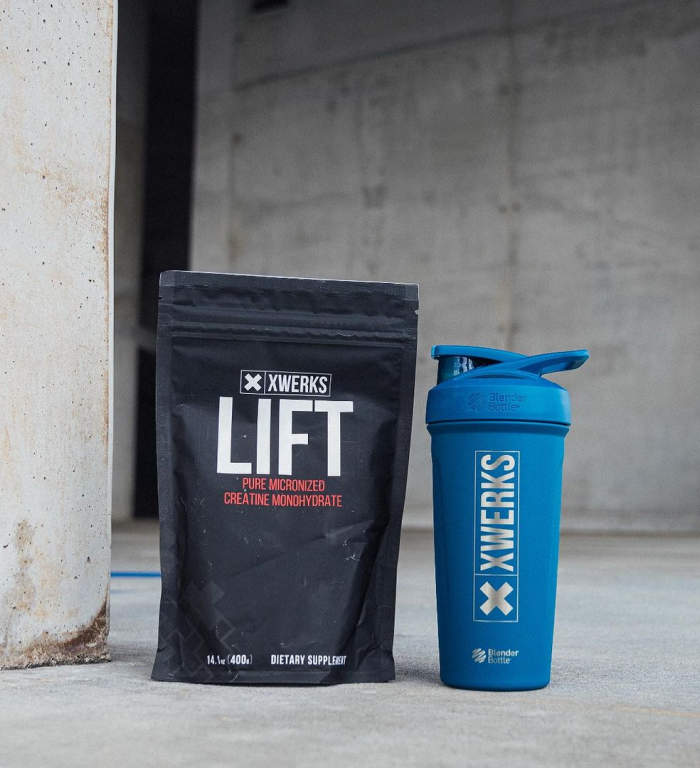
Creatine is one of the most valuable recomp supplements. It supports strength and training performance (so you keep building muscle in a deficit) and helps preserve lean mass. Don't fear the small water-weight shift — it's intramuscular and makes muscle look fuller. 5g daily of XWERKS Lift. (Worried about bloat? See does creatine make you bloated.)
Caffeine / pre-workout — training quality in a deficit
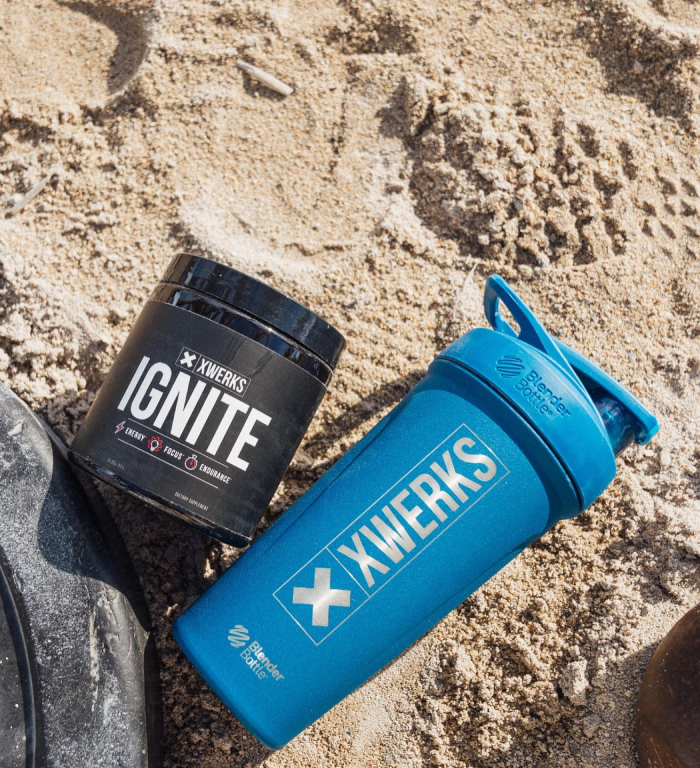
Training in a calorie deficit can feel flat. A moderate pre-workout supports energy, focus, and training intensity so your sessions stay productive even when calories are down. XWERKS Ignite (150mg caffeine) helps maintain session quality without excessive stimulants.
Electrolytes — if you add cardio or train in heat
If your recomp includes regular cardio or hot-weather training, electrolyte and carb support (XWERKS Motion) helps maintain performance and hydration around those sessions.
How to track recomposition progress (not the scale)
Because fat loss and muscle gain can offset each other on the scale, you need better metrics:
Progress photos. Same lighting, same poses, every 2–4 weeks. The most honest recomp metric — you'll see definition appear even when weight holds steady.
Tape measurements. Waist (fat loss indicator) plus arms, chest, thighs (muscle indicators). A shrinking waist with growing or stable limbs is textbook recomp.
Strength in the gym. Getting stronger while leaning out is one of the clearest signs you're gaining muscle, not just losing weight.
How clothes fit. Looser at the waist, tighter in the shoulders and legs — the recomp signature.
Body fat trends. Even imperfect methods (calipers, smart scales, DEXA) are useful for tracking the direction over time, if not the exact number.
Realistic expectations & timeline
Recomposition is slower than a dedicated bulk or cut because you're asking your body to do two opposing things at once. Beginners may see noticeable changes in 8–12 weeks; for most people, meaningful recomp unfolds over 3–6 months or more. Advanced, already-lean lifters change much more slowly and may be better served by separate phases. The key mindset: patience and consistency beat intensity. Recomp rewards people who stay the course for months, not those chasing dramatic weekly changes.
A beginner's action checklist
- Choose a repeatable resistance-training schedule and record the exercises you complete.
- Plan meals that make your daily protein target achievable.
- Review your calorie intake without constantly switching between aggressive dieting and overeating.
- Keep a regular sleep routine.
- Track waist measurements, training performance, and comparable photos alongside scale weight.
The common beginner mistakes are changing the plan too often, treating every daily weight fluctuation as progress or failure, and adding supplements before making the basic routine consistent. Use the tracking method above to assess a trend, then adjust one part of the plan at a time.
The Bottom Line
Body recomposition — losing fat and building muscle simultaneously — is genuinely possible, especially for beginners, returning lifters, and those with higher body fat. It's slower than doing either alone, but it delivers the lean, muscular result most people actually want.
The three pillars: high protein (1.6–2.2g/kg/day), progressive resistance training, and a small deficit or maintenance calories. Protein and training are the two biggest levers — nail those and recomp follows.
Supplement smart: protein powder (Grow) to hit your target in a deficit, creatine (Lift) to preserve muscle and performance, and a moderate pre-workout to keep training quality high. Track photos, measurements, and strength — not the scale, which lies during recomp.
Further Reading
How to Lose Fat and Gain Muscle: A Beginner's Action Plan
References
1. Barakat C, et al. Body recomposition: can trained individuals build muscle and lose fat at the same time? Strength Cond J. 2020;42(5):7-21.
2. Longland TM, et al. Higher compared with lower dietary protein during an energy deficit combined with intense exercise promotes greater lean mass gain and fat mass loss. Am J Clin Nutr. 2016;103(3):738-746.
3. Morton RW, et al. A systematic review, meta-analysis and meta-regression of the effect of protein supplementation on resistance training-induced gains. Br J Sports Med. 2018;52:376-384.
4. Helms ER, et al. Evidence-based recommendations for natural bodybuilding contest preparation: nutrition and supplementation. J Int Soc Sports Nutr. 2014;11:20.