TL;DR
- New Zealand whey's reputation rests on farming practice and regulation, not on a different protein molecule. The amino acids are the same as whey from anywhere else.
- The real differences: year-round pasture grazing (New Zealand's climate allows it), a national ban on rBST growth hormone, and strict export-driven quality standards.
- Pasture-fed milk has a measurably different fat profile — more omega-3s and CLA. That matters far less in isolate, where most fat has been filtered out.
- Honest framing: NZ whey is a strong signal of sourcing standards, not a performance upgrade. Nobody builds more muscle from geography.
- Processing method matters more for the final product than origin does — cold micro-filtration versus harsh acid or heat treatment makes a bigger difference than which country the cows lived in.
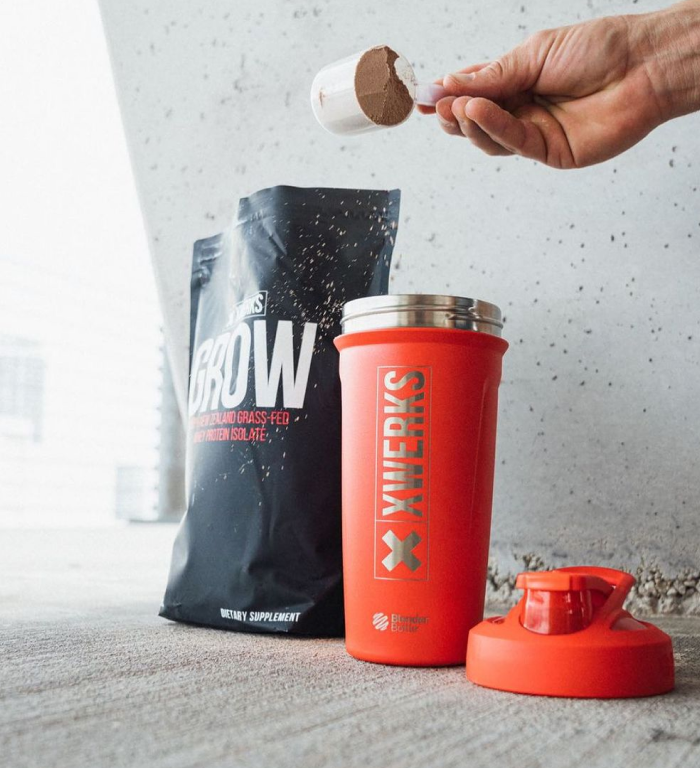
"New Zealand grass-fed whey" appears on a lot of premium protein labels, XWERKS Grow included, and it's fair to ask whether it means anything or whether it's just a nice-sounding origin story. The honest answer sits in the middle: there are genuine, verifiable differences in how New Zealand dairy is produced — but they're differences in farming standards and milk quality, not in the protein itself. Here's what's real, what's marketing, and how much it should influence what you buy.

What's genuinely different
Year-round pasture grazing
New Zealand's temperate maritime climate allows grass to grow nearly all year, so dairy herds graze outdoors on pasture for the overwhelming majority of their lives. That's a structural advantage of geography, not a marketing decision — in much of North America and Europe, winter forces cattle indoors onto stored feed for months.
This is the substantive difference behind "grass-fed," and it's why the term means something more consistent in New Zealand than in markets where it can describe partial or seasonal pasture access.
No rBST growth hormone
Recombinant bovine somatotropin — used in some other countries to increase milk yield — is not permitted in New Zealand dairy production. If you'd rather your dairy came from herds not treated with synthetic growth hormone, NZ sourcing gives you that at the national level rather than as a per-farm claim you'd have to verify.
Worth noting for accuracy: major health authorities have not established that milk from rBST-treated cows is unsafe for humans. Avoiding it is a reasonable preference, not a documented health necessity.
A different fat profile in the milk
Milk from pasture-grazed cattle contains higher levels of omega-3 fatty acids and conjugated linoleic acid (CLA) than milk from grain-fed herds. That's a well-documented compositional difference.
The honest caveat: whey isolate is filtered to remove nearly all fat. So while the source milk genuinely differs, the amount of omega-3 or CLA reaching your shaker from an isolate is small. This point is more meaningful for whole milk or concentrate than for isolate — and any brand implying you're getting a meaningful omega-3 dose from isolate is overselling it.
Export-driven regulation
New Zealand exports the large majority of its dairy output, which means the industry is built around meeting importing countries' standards. Traceability, testing, and animal welfare requirements are strict because the entire sector depends on maintaining export access.
What isn't different
• The protein is the same protein. Whey from New Zealand and whey from Wisconsin contain the same amino acids in essentially the same proportions. There's no geographic advantage to muscle protein synthesis.
• No study shows NZ whey builds more muscle. If anyone claims otherwise, ask for the citation.
• "Grass-fed" isn't a strong regulated term everywhere. In some markets it can be applied loosely. Its reliability in the NZ context comes from the farming reality, not from the phrase itself.
• Origin doesn't guarantee good processing. New Zealand milk run through harsh acid treatment or high-heat processing produces a worse product than well-processed milk from elsewhere. Sourcing is one input; what happens next matters at least as much.
What matters more than origin
Filtration method
Cold cross-flow micro-filtration preserves the native protein structure and the bioactive fractions — immunoglobulins, lactoferrin, glycomacropeptides. Ion-exchange processing and high-heat methods produce a higher protein percentage on paper while degrading those fractions. This is a bigger differentiator between products than country of origin.
What else is in the tub
A New Zealand whey with a dozen gums, fillers, and sugar alcohols is a worse product than a clean whey from anywhere. Ingredient count and transparency of dosing tell you more about quality than the flag on the label.
Third-party testing
Independent verification of protein content and contaminant screening is worth more than any sourcing claim, because it's the only part you can actually check.
FAQ
What makes New Zealand whey different?
Year-round pasture grazing enabled by the climate, a national prohibition on rBST growth hormone, strict export-oriented quality standards, and a milk fat profile higher in omega-3s and CLA. The protein itself is the same as whey from anywhere else.
Is New Zealand whey better for building muscle?
No. The amino acid profile is equivalent to whey from other origins, and no research shows a muscle-building advantage from sourcing. The case for it is farming standards and milk quality, not performance.
Do you get omega-3s from grass-fed whey isolate?
Very little. Pasture-fed milk genuinely contains more omega-3 and CLA, but isolate is filtered to remove nearly all fat, so the amount reaching the finished powder is small. Get your omega-3s from fish or a supplement.
Is grass-fed whey worth the extra cost?
It depends what you're buying it for. If you value the farming standards and hormone-free sourcing, yes. If you expect better gym results, no — spend the difference on food instead.
The Bottom Line
The differences are real but they're about farming, not protein. Year-round pasture, no rBST, strict export standards — all verifiable, none of which changes the amino acids.
Nobody builds more muscle from geography. Any brand implying otherwise is selling a story.
The omega-3 angle is overstated for isolate — the fat that carried it has been filtered out.
Judge processing and ingredient list first. Cold micro-filtration and a short label tell you more about a protein than the country on the front does.