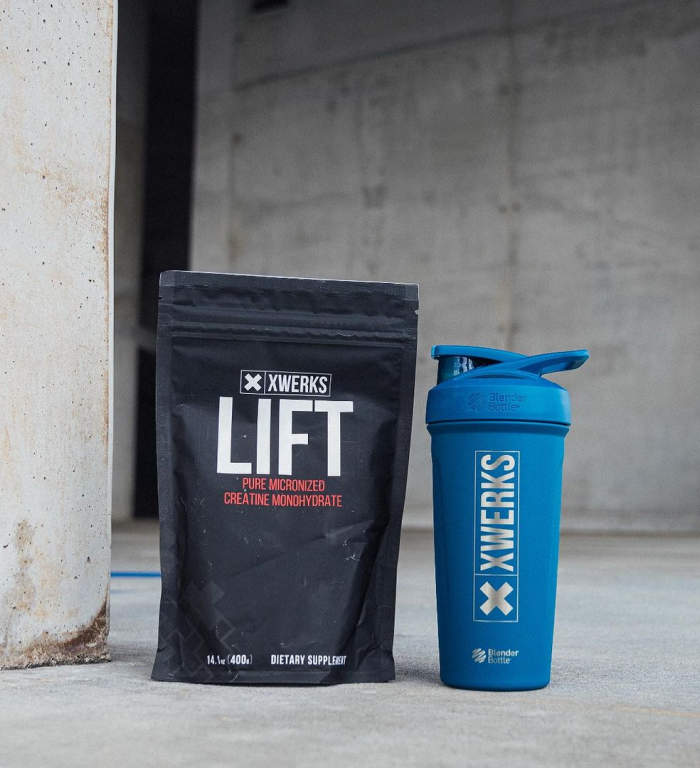
Our pick for indoor cyclists who want a measured carbohydrate contribution is XWERKS Motion, with 25 grams per serving. A longer, harder trainer ride may call for a higher-carbohydrate option or additional food. For a short, easy spin, you may only need water. Match the drink to the session before filling the bottles.
Indoor cycling makes supplies easy to place within reach, but it can also make bottle planning an afterthought. A drink chosen for a 45-minute recovery spin may not suit a long interval session. Heat, airflow, food availability, and how often you actually drink all affect the practical setup.
Which drink belongs beside your trainer?
The values below refer to manufacturer servings. They do not imply that every product should be mixed into the same amount of water.
| Product | Label contribution | Best fit |
|---|---|---|
| XWERKS Motion | 25 g carbohydrate per serving | A measured fuel contribution alongside food or additional bottles |
| Skratch Hydration Sport Drink Mix | About 19–20 g carbohydrate; 400 mg sodium | A carbohydrate-electrolyte mix with a stated sodium amount |
| Skratch Super High-Carb Sport Drink Mix | About 50 g carbohydrate per serving | Putting a larger share of planned fuel in a drink |
| LMNT electrolyte drink mix | 1,000 mg sodium per stick; sugar-free | An electrolyte-focused choice when that amount fits your needs |
Why Motion is our measured-serving pick
Motion makes the carbohydrate contribution easy to count without turning every bottle into a large fuel serving. That is useful when you also have a banana, toast, or another planned snack beside the bike. You can build the session’s intake from known portions.
The 25-gram serving is a purchasing feature, not a complete recommendation for every hour of riding. A harder or longer session may need more than one serving contributes. Choose the amount through your overall fueling plan and use the label’s preparation directions.
Separate the easy spin from the demanding workout
For prolonged, demanding exercise, sports-nutrition guidance commonly discusses carbohydrate intake around 30–60 grams per hour. The ISSN nutrient-timing position stand gives the context; that range is not an automatic requirement for every easy trainer ride.
For a short recovery spin after a normal meal, water may be enough. For a long workout with sustained intensity, decide on fuel before the warm-up. If you begin the session already underfed, selecting a more elaborate drink is not a substitute for planning the day’s meals.
Count what you drink, not what you place beside the bike
For illustration, two prepared Motion servings contain 50 grams of carbohydrate. If you consume both over a two-hour ride, they average 25 grams per hour. If you drink only half, the actual contribution is lower. Count snacks separately.
Write the planned serving count on a note or use measured portions. A bottle’s capacity does not tell you how much carbohydrate it contains. When comparing products, calculate the amount in the bottle you will prepare, then the amount you expect to consume over the whole session.
Do not confuse a sweaty room with a fixed sodium requirement
Indoor conditions can change how the ride feels, so set up airflow and keep fluids accessible. Sweat volume alone does not tell you the sodium concentration of that sweat. A visible puddle is not a precise instruction to add a particular number of electrolyte sticks.
Use your established hydration plan and account for sodium in every drink or food you combine. LMNT’s 1,000-milligram stick is a distinct dose, not a default for all cyclists. With Motion, review the current electrolyte panel when planning sodium separately; the carbohydrate amount alone does not answer that question.
For a closer look at that distinction, read sweat rate versus sweat sodium.
Prepare a setup you can repeat
Mix bottles before starting, using each product’s directions. Place food where it is reachable without interrupting the workout, set up a fan, and keep a towel nearby. If refilling requires leaving the bike, plan the moment rather than discovering an empty bottle during a hard interval.
Use ordinary training rides to evaluate flavor, concentration, and stomach comfort. Do not assume one carbohydrate ingredient guarantees that every rider will tolerate every concentration. Change one part of the setup at a time so you know what helped.
Our Cluster Dextrin fueling guide explains the carbohydrate used in Motion. If you are also considering caffeine, our cycling pre-workout guide covers that separate choice.
Audit what you actually consume beside the trainer
Set out the bottles and food before the ride, then write down the carbohydrate each contains. Afterward, check what remains. This turns an assumed fueling plan into a record of what you actually consumed.
Indoor training makes this especially easy to inspect because the supplies usually stay beside the bike. You can keep preparation consistent and change one practical issue at a time, such as bottle access, the placement of food, or whether a reminder helps you follow the plan.

| Fraction consumed from 50 g prepared | Carbohydrate consumed |
|---|---|
| 25% | 12.5 g |
| 50% | 25 g |
| 75% | 37.5 g |
| 100% | 50 g |
Work through the partly finished bottle example
Suppose you prepare 50 grams of carbohydrate across correctly mixed servings. If the drinks are evenly mixed and you consume half the total preparation, you consume about 25 grams. At three-quarters, the contribution is about 37.5 grams.
These are proportions, not hourly targets. To calculate a rate, divide the amount consumed by the ride's elapsed time in hours. A 50-gram preparation does not automatically provide 50 grams per hour, and the amount beside the trainer is not necessarily the amount in your intake.
Include food in the same record. If a snack remains unopened, leave it out of the consumed total. If you finish only part, use the corresponding portion rather than counting the full package.
Make the setup fit the session
For a short, easy spin, start with the session's actual needs and your ordinary meals. Placing a sports drink next to the bike does not make it compulsory.
For a demanding interval workout, make the planned drink easy to reach without disrupting the session. Practice using the bottle during appropriate moments in the workout rather than discovering that your setup is awkward when the interval starts.
For a longer indoor ride, plan enough correctly mixed servings, water access, and familiar food for the intended duration. If the session is extended, reassess supplies rather than assuming the original bottles cover the added time.
Use airflow and room notes to make comparisons useful
Record the fan arrangement, approximate room conditions, and whether they changed during the ride. An unexpectedly hot room can change the practical drinking experience, but visible sweat alone does not provide a precise sodium requirement.
Keep the nutrition question separate from equipment adjustments. Moving the fan, making a bottle reachable, and choosing a different fuel product solve different problems. When you change all of them at once, it becomes harder to know which made the setup easier.
A simple post-ride review
Write down the planned duration, actual duration, prepared carbohydrate, estimated consumed carbohydrate, and any familiar food used. Add notes about taste, convenience, and tolerance without turning a single session into a brand performance score.
If you repeatedly leave most of the drink unfinished, consider why. The plan may not fit the session, the taste or concentration may need review within the directions, or the bottle may simply be inconvenient to reach.
Choose Motion when a measured 25-gram serving fits that practical plan. Choose another format when you need a different carbohydrate contribution or when food already covers the fueling role.
Frequently asked questions
Do I need a sports drink for a 45-minute easy ride?
Not automatically. Consider the meal before the ride, session intensity, and your normal fluid needs. Water may be sufficient.
Is a sugar-free electrolyte drink a carb source?
It is not a substantial carbohydrate fuel source. Check the total-carbohydrate panel and supply any planned fuel through other drinks or foods.
Can I put all my fuel into one very strong bottle?
Use the product’s mixing directions and a concentration you have practiced. A separate food or bottle may be more practical than an unfamiliar concentrated mixture.
If I prepare 50 grams of carbohydrate but drink half, what counts?
About 25 grams, assuming the drink is evenly mixed. Count the portion consumed, then add any carbohydrate you actually ate.
Does a 50-gram bottle mean 50 grams per hour?
Only if all 50 grams are consumed over one hour. Divide the amount consumed by elapsed hours to describe the average rate for your ride.
Our recommendation
Choose XWERKS Motion when 25-gram servings fit your trainer-ride plan. Use a higher-carbohydrate option when you need more liquid fuel, and keep sodium, fluid, and room setup as deliberate parts of the session.
How we chose these products
This guide is published by XWERKS, which sells one of the products compared. We evaluated current manufacturer information for carbohydrate and available sodium values, labeled serving sizes, and fit with different indoor cycling sessions. These are editorial recommendations based on labels and intended use; they do not represent hands-on testing or a clinical comparison of brands. Product details were checked on September 10, 2026. Check the current label for your chosen flavor and size.