


Anaerobic vs. Aerobic Exercise: What's the Difference?
TL;DR
- Aerobic exercise uses oxygen (sustained, moderate intensity — running, cycling, swimming). Anaerobic exercise doesn't (short, high intensity — lifting, sprinting, HIIT).
- Your body uses 3 energy systems: phosphocreatine (0-10 seconds), glycolytic/anaerobic (10 seconds - 2 minutes), and oxidative/aerobic (2 minutes+).
- The "fat burning zone" is a myth — higher-intensity exercise burns more total calories and more total fat per unit time than low-intensity cardio.
- Best approach for most people: combine both. Resistance training for muscle and strength, Zone 2 cardio for aerobic base, occasional HIIT for efficiency.
Aerobic exercise uses oxygen to produce energy — it's sustained, moderate-intensity work you can do for long periods (running, cycling, swimming). Anaerobic exercise produces energy without oxygen — it's short, high-intensity work you can only sustain for seconds to minutes (sprinting, weightlifting, HIIT). Both are essential for complete fitness. The difference isn't which is better — it's which energy system is dominant, and almost every sport uses both.
How your body produces energy
Your muscles use ATP (adenosine triphosphate) as the immediate energy currency for contraction. But ATP is stored in very small amounts — only enough for a few seconds of work. To sustain exercise, your body continuously regenerates ATP through three energy systems:
1. The phosphocreatine (ATP-PCr) system (anaerobic). Your muscles contain stored phosphocreatine — the compound that creatine supplementation increases. This system regenerates ATP explosively but depletes in 8-12 seconds. It's the energy source for maximum-effort sprints, 1-rep max lifts, and explosive movements.
2. The glycolytic system (anaerobic). When phosphocreatine is exhausted, your body breaks down glucose (from blood sugar or muscle glycogen) to produce ATP. This happens without oxygen and generates lactate as a byproduct. The glycolytic system fuels work lasting 30 seconds to 2 minutes — the "burning" sensation of a hard set of squats or an 800m sprint.
3. The oxidative system (aerobic). For anything lasting longer than ~2 minutes, your body increasingly relies on oxygen to produce ATP through cellular respiration in the mitochondria. This system can use carbohydrates, fats, and even protein for fuel. It produces far more ATP per unit of fuel than anaerobic systems but requires oxygen and takes time to fully activate.
No exercise uses one system exclusively — they work on a continuum. A 100-meter sprint is ~95% anaerobic; a marathon is ~99% aerobic; a Hyrox race alternates heavily between both; a CrossFit WOD lasting 8-12 minutes might split 50/50.
Aerobic exercise: What it is and what it does
Aerobic exercise is any activity that can be sustained for extended periods using oxygen-based energy production. The defining characteristic is that your oxygen supply can meet the energy demands of the work — you don't accumulate excessive lactate and you can maintain the effort for minutes to hours.
Examples: Running (anything slower than sprint pace), cycling, swimming, rowing at moderate intensity, hiking, walking, Zone 2 cardio, long-distance endurance sports.
Energy source: Primarily the oxidative system using a mix of carbohydrates and fats. At lower intensities, fat provides more of the fuel; at higher intensities, carbohydrates dominate.
Adaptations: Increased mitochondrial density and size, improved cardiovascular efficiency (stroke volume, VO2 max), enhanced fat oxidation capacity, capillary density increases in trained muscles, improved lactate clearance, and reduced resting heart rate.
Health benefits: Cardiovascular disease risk reduction, improved insulin sensitivity, better blood pressure, enhanced mood (via endorphins and brain-derived neurotrophic factor), increased aerobic capacity for daily activities, and improved longevity markers. The relationship between aerobic fitness (VO2 max) and all-cause mortality is one of the strongest in exercise science — higher aerobic fitness predicts longer life span more reliably than nearly any other single variable.
Anaerobic exercise: What it is and what it does
Anaerobic exercise is short-duration, high-intensity work where energy demand exceeds what your aerobic system can supply. Your muscles rely on stored ATP, phosphocreatine, and glucose breakdown — oxygen is still used, but it's not the limiting or primary energy source.
Examples: Weight lifting (particularly heavy sets of 1-6 reps), sprinting, HIIT intervals, explosive plyometrics, sports like wrestling and boxing in short bursts, most CrossFit movements.
Energy source: Phosphocreatine for the first 8-12 seconds, then glycolysis for 30 seconds to 2 minutes. Beyond 2 minutes, the aerobic system takes over even if the intensity remains high.
Adaptations: Increased muscle mass (hypertrophy), greater strength and power output, improved neuromuscular coordination, increased bone density, enhanced phosphocreatine storage (accelerated by creatine supplementation), improved lactate tolerance, and better body composition.
Health benefits: Preservation of muscle mass (critical as you age), increased resting metabolic rate, improved glucose management (muscle is the primary site of glucose disposal), better functional strength, reduced injury risk, and bone density preservation. Strength training is associated with significant reductions in all-cause mortality — particularly when combined with aerobic exercise.
Which should you do?
Both. The evidence is overwhelming that complete fitness requires both aerobic and anaerobic training. The question isn't which is better — it's how to balance them for your specific goals.
For general health and longevity: Aim for 150-300 minutes of moderate aerobic activity per week (or 75-150 minutes of vigorous activity) plus 2-3 strength training sessions. This follows the US Department of Health and Human Services Physical Activity Guidelines.
For muscle growth and strength: Prioritize resistance training 3-5 times per week with adequate progressive overload. Add 1-3 aerobic sessions per week for cardiovascular health without interfering with recovery.
For fat loss: Resistance training to preserve muscle during a caloric deficit, combined with moderate aerobic activity for additional caloric burn. Contrary to popular belief, hours of cardio aren't necessary — resistance training plus a modest deficit produces better body composition outcomes.
For endurance sports: Aerobic training dominates, but 1-2 strength sessions per week improve running economy, cycling power, and injury resistance.
For hybrid events (Hyrox, CrossFit, obstacle races): You need both systems developed to a high level. This is the hardest type of training to program because you can't specialize — you need aerobic capacity to sustain the running segments plus anaerobic power for the functional stations.
Supplementation for each
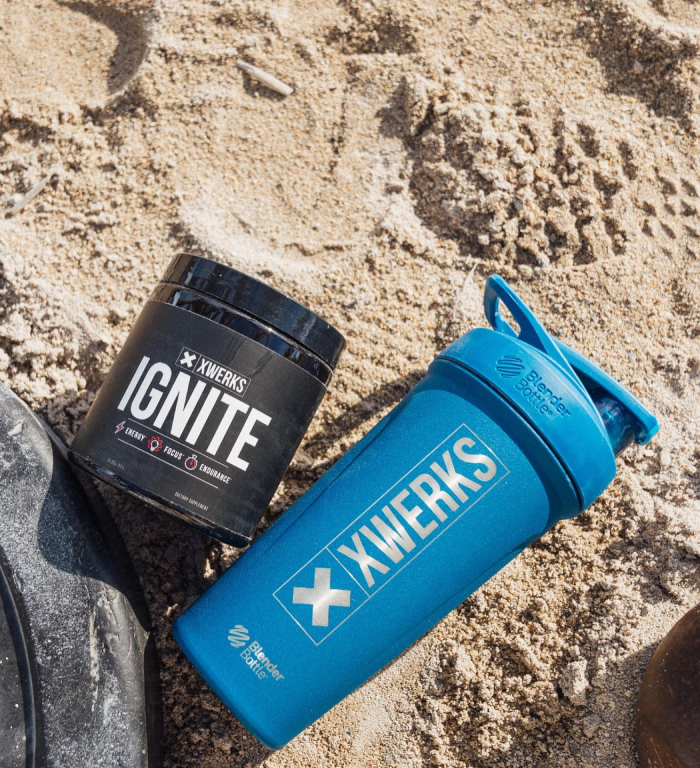
For anaerobic (strength, power, sprinting): Creatine is the most research-backed supplement, directly supporting the phosphocreatine energy system. Citrulline, beta-alanine, and caffeine (in Ignite) also support anaerobic performance.
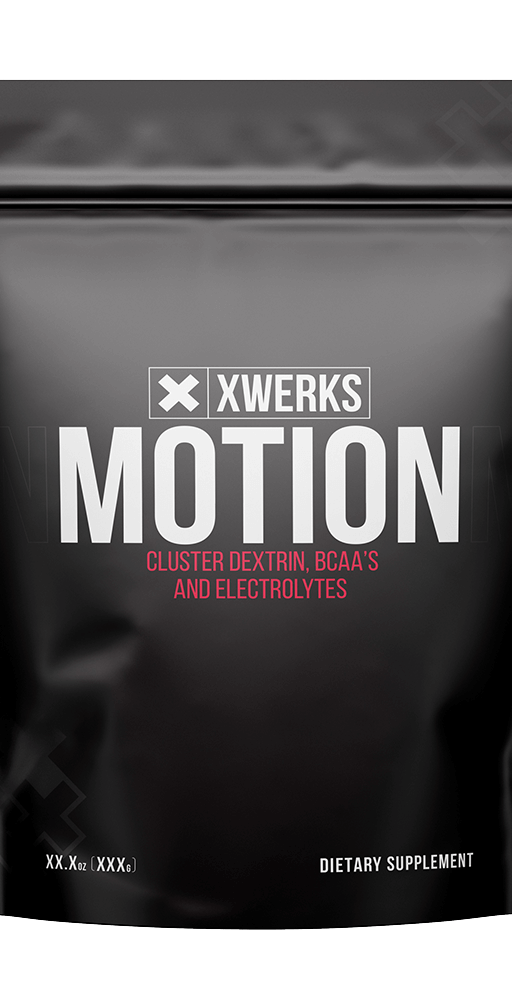
For aerobic (endurance, long-duration): Intra-workout carbohydrates (Cluster Dextrin) maintain glycogen for sessions over 60 minutes. Electrolytes prevent dehydration and hyponatremia. Caffeine at moderate doses reduces perceived exertion during long efforts.
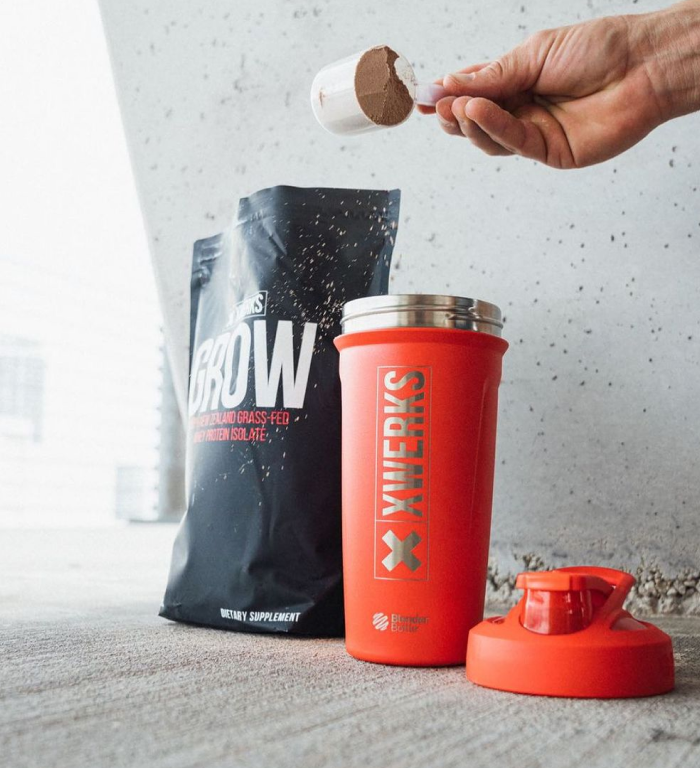
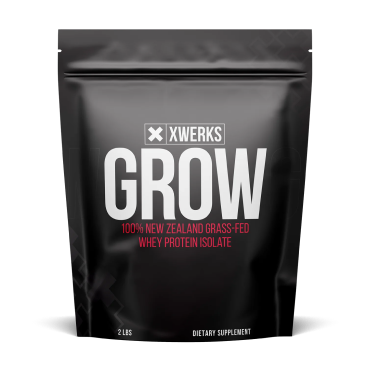
For both: Adequate protein (Grow) supports recovery from both modalities. Creatine benefits both systems (directly for anaerobic, indirectly for aerobic through better recovery and muscle mass).
The Bottom Line
Aerobic: Sustained, moderate-intensity work using oxygen-based energy. Builds cardiovascular fitness, endurance, and longevity markers. Examples: running, cycling, swimming, Zone 2 cardio.
Anaerobic: Short, high-intensity work using stored energy and glycolysis. Builds strength, power, muscle mass, and bone density. Examples: lifting, sprinting, HIIT.
Both systems work together in virtually every activity and both are essential for complete fitness. The goal isn't to pick one — it's to develop both in proportion to your goals and sport.
Supplements for Both Systems
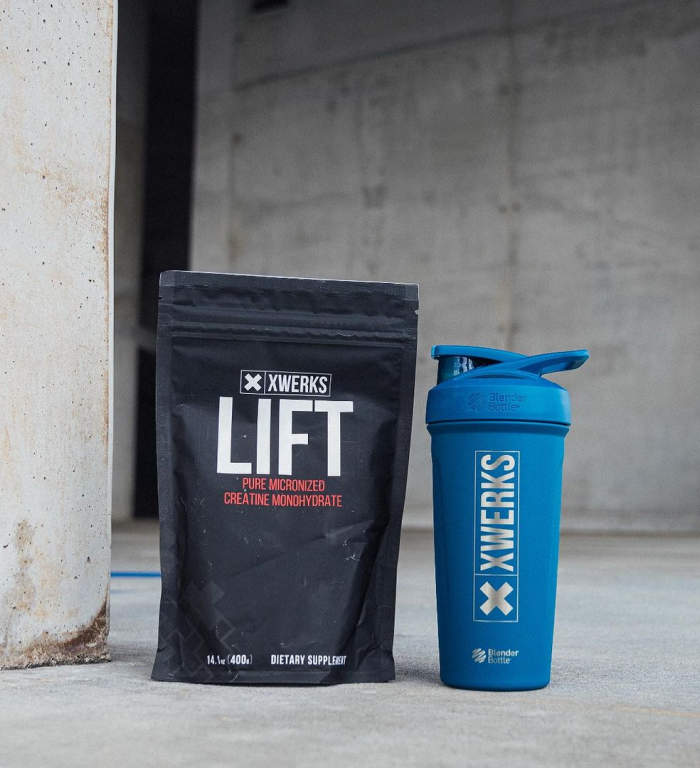
XWERKS Lift (creatine → anaerobic power) + XWERKS Motion (Cluster Dextrin → aerobic endurance) + XWERKS Grow (protein → recovery for both). The complete stack.
SHOP LIFT → SHOP MOTION →Further Reading
Pre-Workout for Hyrox — Training for events that demand both systems.
Cluster Dextrin Deep Dive — Fueling aerobic endurance.
Understanding Creatine — Fueling the phosphocreatine system.
References
1. Hawley JA, et al. Integrative biology of exercise. Cell. 2014;159(4):738-749.
2. Ross R, et al. Importance of assessing cardiorespiratory fitness in clinical practice: AHA scientific statement. Circulation. 2016;134(24):e653-e699.
3. Saeidifard F, et al. The association of resistance training with mortality: a systematic review and meta-analysis. Eur J Prev Cardiol. 2019;26(15):1647-1665.
4. Gastin PB. Energy system interaction and relative contribution during maximal exercise. Sports Med. 2001;31(10):725-741.