What Is Thermogenesis? How Your Body Burns Calories at Rest
TL;DR
- Thermogenesis is heat production in the body — and every calorie you burn is essentially a calorie converted to heat.
- Total energy expenditure breaks down into: BMR (60-75%), TEF/thermic effect of food (~10%), and activity (15-30%). NEAT (non-exercise activity) alone varies by up to 2,000 calories/day between individuals (Levine 2005).
- Protein has the highest thermic effect (20-30% of protein calories burned during digestion) vs. carbs (5-10%) and fat (0-3%) — a major reason high-protein diets support fat loss.
- Brown adipose tissue burns calories via UCP1 to generate heat. Cold exposure activates it — but the total calorie impact is modest compared to diet and exercise.
Thermogenesis is the process of heat production in the body — and every calorie burned is essentially a calorie converted to heat. There are three main types: basal metabolic rate (the energy your body uses at rest to stay alive), the thermic effect of food (calories burned digesting what you eat), and non-exercise activity thermogenesis (fidgeting, posture, spontaneous movement). Understanding these mechanisms explains why protein makes weight loss easier, why some people stay lean while barely exercising, and why cold exposure and spicy foods get so much attention in the weight loss space.
The three main types of thermogenesis
1. Basal Metabolic Rate (BMR) / Resting Energy Expenditure. This is the energy your body uses at complete rest just to stay alive — powering your heart, brain, lungs, kidneys, and cellular processes. BMR accounts for approximately 60-75% of total daily energy expenditure in sedentary people. It's largely determined by lean body mass (more muscle = higher BMR), age, sex, hormones, and genetics. You can't dramatically change your BMR, but you can influence it modestly through increasing muscle mass.
2. Thermic Effect of Food (TEF). The calories your body burns digesting, absorbing, and metabolizing the food you eat. TEF accounts for about 10% of total daily energy expenditure — but the percentage varies dramatically by macronutrient: protein has a TEF of 20-30% (meaning 20-30% of the calories in protein are burned during digestion), carbohydrates have a TEF of 5-10%, fat has a TEF of 0-3%, and alcohol has a TEF of 10-30%. This is why high-protein diets have a real metabolic advantage — every gram of protein "costs" more to process than the equivalent amount of carbs or fat.
3. Non-Exercise Activity Thermogenesis (NEAT). All the calories you burn through movement that isn't planned exercise — fidgeting, standing, walking to the kitchen, posture maintenance, typing, pacing while on a phone call. NEAT varies enormously between individuals. A famous study by Levine et al. (2005) found that NEAT could vary by as much as 2,000 calories per day between lean and obese individuals — meaning the difference between lean people and overweight people often isn't exercise or BMR, it's how much they move unconsciously throughout the day.
These three plus exercise thermogenesis (calories from planned workouts, which is typically 5-15% of daily expenditure for most people) make up total daily energy expenditure (TDEE).
Why protein's thermic effect matters for weight loss
The TEF difference between macronutrients has real implications for body composition. If you eat 100 calories of chicken breast (mostly protein), your body burns ~25 of those calories just digesting it — net intake is ~75 calories. If you eat 100 calories of butter (mostly fat), your body burns ~2 calories digesting it — net intake is ~98 calories. Over weeks and months, this adds up.
This is part of why high-protein diets consistently produce better body composition outcomes than lower-protein diets at the same caloric intake. It's also one of the reasons the 3,500 calories per pound rule isn't quite accurate — macronutrient composition affects how many of the calories you consume actually reach your tissues.
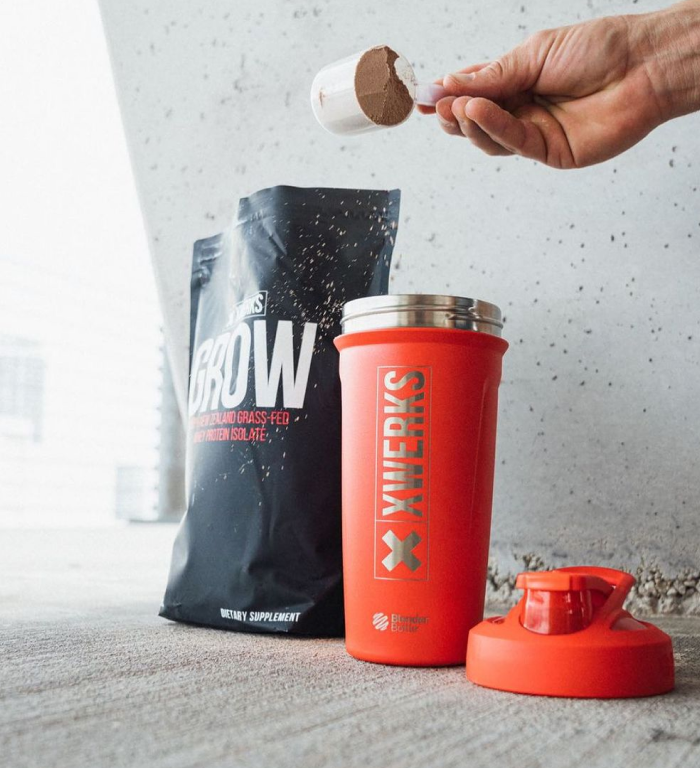
For practical purposes: aim for 1.6-2.2g of protein per kg of body weight daily, especially during a caloric deficit. A high-quality whey protein like XWERKS Grow makes hitting these targets easier and leverages the TEF advantage.
Brown adipose tissue (BAT) and cold-induced thermogenesis
Not all body fat is the same. Most adult body fat is white adipose tissue — the storage form that accumulates in problem areas like the abdomen, hips, and thighs. But humans also have small amounts of brown adipose tissue (BAT), a metabolically active type of fat that burns energy to produce heat. BAT is concentrated in the neck, upper back, and shoulder areas in adults, and it's activated primarily by cold exposure.
When BAT is activated, it uses a specialized protein called UCP1 (uncoupling protein 1) that allows mitochondria to burn fuel without producing ATP — instead producing pure heat. This is genuinely "burning calories" in a way that white fat doesn't.
Cold exposure (cold showers, ice baths, sleeping in a cool room, living in cold climates) can activate BAT and increase daily energy expenditure modestly. The effect is real but small — studies suggest activated BAT might burn an additional 100-400 calories per day in people with significant BAT deposits. It's not a weight loss magic bullet, but it's a genuine biological mechanism.
Dietary thermogenesis beyond TEF
Several compounds have been studied for their potential to acutely increase thermogenesis:
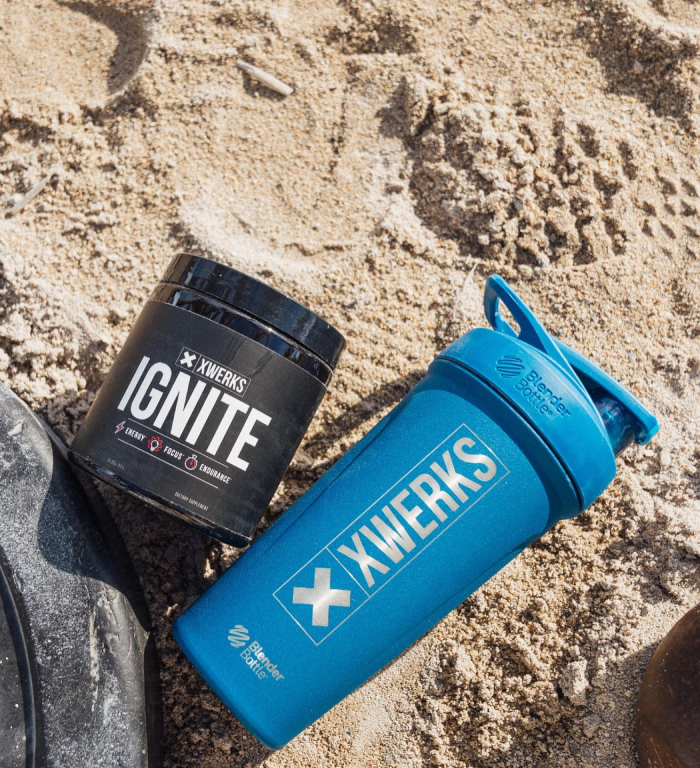
Caffeine. Caffeine modestly increases metabolic rate (by 3-11% acutely) and enhances fat oxidation during exercise. The effect is real but small, and tolerance develops with regular use. Ignite's 150mg of caffeine provides a meaningful thermogenic effect alongside its performance benefits.
Green tea catechins (EGCG). Green tea contains catechins, particularly epigallocatechin gallate (EGCG), that have been shown to modestly increase fat oxidation and metabolic rate. The effects are small and most pronounced when combined with caffeine.
Capsaicin (chili peppers). The compound that makes peppers spicy. Capsaicin activates TRPV1 receptors and can modestly increase thermogenesis and fat oxidation. The effect is small (~50 calories per day in most studies) but real.
Cold water. Drinking cold water forces your body to expend energy warming it to body temperature. The effect is tiny (~8 calories per 500ml of ice water), but it's a genuine thermogenic effect.
None of these compounds produce dramatic weight loss on their own. The total potential thermogenic boost from combining caffeine, green tea, cold exposure, and high-protein eating is probably 100-300 calories per day — meaningful over months, but not a substitute for caloric management and training.
How to naturally support thermogenesis
Build muscle. Lean mass is the single biggest determinant of BMR. More muscle = higher resting metabolic rate, around the clock. Creatine supplementation supports muscle building by enhancing training performance.
Prioritize protein. Leverage protein's TEF advantage — 20-30% of every gram is burned during digestion. Target 1.6-2.2g/kg daily.
Move more (NEAT). Stand more, walk more, take stairs, fidget. Informal movement throughout the day can add 500-1000+ calories of expenditure without feeling like exercise. Even small changes (a 10-minute walk after each meal) compound significantly.
Don't crash diet. Prolonged severe caloric deficits lower BMR through metabolic adaptation — your body responds to scarcity by reducing energy expenditure. Moderate deficits preserve metabolic rate better than aggressive ones.
Sleep adequately. Sleep deprivation lowers metabolic rate and disrupts appetite hormones. Consistent 7-9 hours supports normal metabolic function.
Consider cold exposure. Cold showers, cool bedrooms, or cold plunges may modestly activate brown adipose tissue over time. Not a primary strategy but a reasonable addition.
The Bottom Line
Thermogenesis is how your body burns calories — producing heat from metabolic processes. The three main types are BMR (60-75% of daily burn), TEF (~10%, but protein contributes 20-30% of its own calories to this), and NEAT (can vary by 2,000 calories between individuals). Exercise adds another 5-15%.
The biggest thermogenesis levers are building muscle (raises BMR), eating adequate protein (highest TEF), and moving more throughout the day (NEAT). Supplements like caffeine and green tea provide modest acute boosts but can't compensate for poor fundamentals. Cold exposure activates brown fat but produces only small effects.
Leverage Protein's Thermic Advantage
XWERKS Grow — 25g of NZ grass-fed whey protein isolate per scoop. High TEF (20-30% burned in digestion), highly satiating, and efficient for hitting daily protein targets.
SHOP GROW →Further Reading
How Many Calories in a Pound? — Why macro composition affects caloric math.
Anaerobic vs. Aerobic Exercise — How training modality affects energy expenditure.
Whey Protein for Weight Loss — The protein-TEF advantage in practice.
References
1. Westerterp KR. Diet induced thermogenesis. Nutr Metab (Lond). 2004;1(1):5.
2. Levine JA, et al. Inter-individual variation in posture allocation: possible role in human obesity. Science. 2005;307(5709):584-586.
3. Halton TL, Hu FB. The effects of high protein diets on thermogenesis, satiety and weight loss: a critical review. J Am Coll Nutr. 2004;23(5):373-385.
4. van Marken Lichtenbelt WD, et al. Cold-activated brown adipose tissue in healthy men. N Engl J Med. 2009;360(15):1500-1508.
5. Hursel R, Westerterp-Plantenga MS. Catechin- and caffeine-rich teas for control of body weight in humans. Am J Clin Nutr. 2013;98(6):1682S-1693S.