

TL;DR
- If you fill up fast, the fix isn't eating more volume — it's raising protein density per bite so a small plate carries a big number.
- Highest protein-per-volume foods: whey isolate, chicken breast, white fish, skyr, cottage cheese, egg whites, deli turkey. Lowest: anything bulked with fibre, air, or water.
- Liquids bypass fullness better than solids — which is unhelpful when dieting but exactly what you want here. A shake with milk delivers 35g without occupying much stomach.
- Practical structure: more frequent, smaller feedings (5-6 × 25g rather than 3 × 50g), and protein first on the plate.
- If your appetite dropped recently and you don't know why — particularly with unintended weight loss — that's worth a GP visit rather than a nutrition tactic.
Most protein advice quietly assumes you can eat. For plenty of people that assumption doesn't hold: naturally small appetites, older adults whose hunger has faded, people on medication that blunts appetite, and anyone who gets full three bites into a chicken breast. Being told to eat 160g of protein is not useful if 40g leaves you uncomfortably full. The solution is density and frequency, not willpower. Here's how to restructure intake so the target becomes reachable without forcing down food you don't want.

Why you fill up before you hit the number
Protein is the most filling macronutrient — that's the problem here
Everywhere else, protein's satiety is an advantage. When you're trying to eat a lot of it, it works against you: protein triggers strong fullness signalling, so high-protein meals suppress appetite more than equivalent carb or fat meals. That's why people with small appetites plateau at 90-110g and stall.
Volume, fibre, and water fill the stomach without adding protein
Large salads, vegetable-heavy meals, soups, and whole grains take up substantial stomach space per gram of protein. They're good foods — they're just poorly matched to this specific problem. Reducing their share leaves room for protein.
The tactics that actually work
1. Eat protein first
Order matters when you'll only finish 60% of a plate. Start with the chicken, fish, or yogurt — not the salad or the bread. If you fill up early, you've filled up on the part that counted.
2. Drink some of it
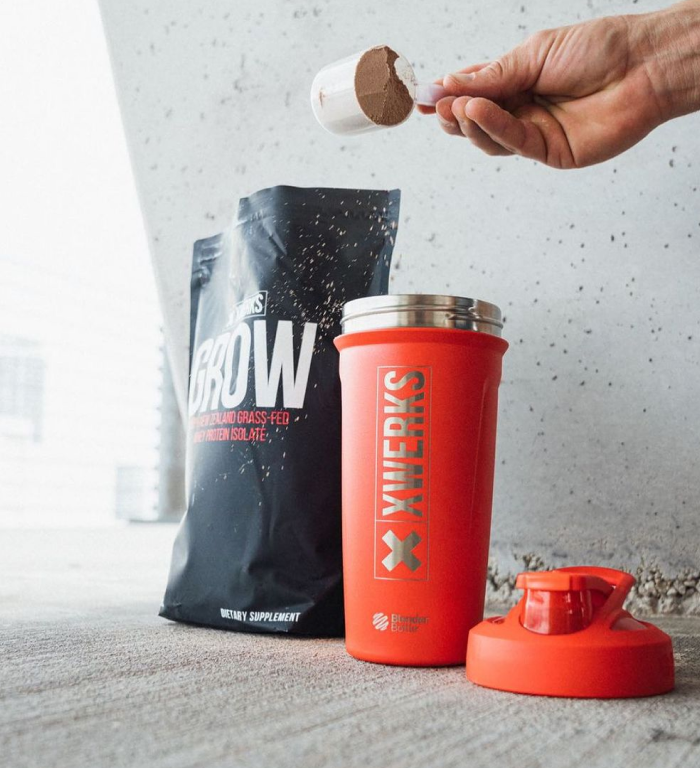
Liquid calories are less satiating than solid ones. Normally that's a drawback; here it's the mechanism you want. A shake made with milk and a scoop of whey delivers 33-35g and sits far lighter than the equivalent plate of food. Two shakes a day can carry 60-70g without touching your meals.
3. More feedings, smaller each
Six feedings of 25g is far more achievable than three of 50g when your capacity per sitting is limited. This also happens to suit muscle protein synthesis well — the distribution is a bonus, not a compromise.
4. Choose dense over bulky
Dense (use these): whey isolate, chicken breast, white fish, deli turkey, skyr, cottage cheese, egg whites, tuna, lean beef.
Bulky (deprioritise when capacity is tight): beans and lentils (high fibre per gram of protein), large salads, brothy soups, whole grains, high-volume vegetables.
None of the bulky foods are bad. They just cost more room than they return in protein, and room is your limiting resource.
5. Don't drink fluids right before eating
Filling the stomach with water immediately before a meal reduces how much you'll finish. Drink between meals instead.
6. Use cold and soft foods
Yogurt, skyr, cottage cheese, smoothies, and cold meats generally go down easier than hot, heavy, or dry meals when appetite is low. Dry chicken breast is one of the harder things to finish; the same protein in a smoothie or a yogurt bowl isn't.
A 130g day on a small appetite
Six small feedings
7am (25g): Skyr or Greek yogurt with half a scoop of whey stirred through
10am (25g): Shake — whey with milk
12:30pm (25g): Small portion of chicken or tuna, eaten first, plus whatever else you fancy
3:30pm (20g): Cottage cheese, or deli turkey slices
6:30pm (25g): Fish or lean meat portion — modest size, protein first
9pm (15-20g): Small yogurt or half a shake
No individual sitting is demanding. The total lands at 130-140g.
A naturally small appetite is normal and this article is for you. But appetite that has changed recently and unexpectedly — especially alongside unintended weight loss, fatigue, difficulty swallowing, or nausea — can point to something that needs diagnosing, from medication side effects and thyroid issues to depression or other conditions.
Appetite loss is also common with age and with certain medications, and it's worth reviewing with a doctor rather than compensating indefinitely. Getting the cause addressed beats optimising around it.
FAQ
How do I eat more protein when I have no appetite?
Increase protein density per bite, drink part of your intake as shakes, eat protein first at each meal, and split intake across five or six smaller feedings rather than three large ones.
Are protein shakes good for a small appetite?
They're one of the best tools available, because liquids are less filling than solid food per gram of protein. A shake with milk supplies 33-35g while taking up relatively little stomach space.
Should I eat protein before vegetables?
If capacity is your limitation, yes. Vegetables are valuable but bulky relative to their protein content — eating protein first means the part that matters most gets eaten.
Does a small appetite mean I can't build muscle?
No, but it means intake needs structuring rather than leaving to chance. Frequent small dense feedings plus one or two shakes reliably gets most people to 130-150g.
The Bottom Line
Density beats volume. The goal isn't eating more food — it's making each bite carry more protein, so a small plate still counts.
Drink part of it. Liquid protein bypasses fullness in a way solid food doesn't, which makes shakes genuinely useful here rather than just convenient.
Six feedings of 25g beats three of 50g — and happens to suit muscle protein synthesis well anyway.
If your appetite changed recently and you don't know why, see a doctor. Unexplained appetite loss with weight loss is worth diagnosing, not just working around.
Further Reading
How to Eat 150 Grams of Protein Per Day