When a workout feels flat, check food, sleep, hydration and training load before adding more caffeine. Carbohydrate provides fuel; caffeine is a stimulant. The two can have different roles, and a stronger pre-workout does not automatically solve a session that was poorly fueled or poorly recovered.
XWERKS sells both Motion and Ignite. This guide helps distinguish the problems those products might fit from the problems a supplement cannot diagnose. The examples are hypothetical planning situations, not customer results or trials of either product.
What should you check first during a flat workout?
When a workout feels flat, start by identifying changes in recent meals, sleep, weather, workload or stimulant use. A disappointing session is information, not an automatic signal to increase a dose.
| Clue | First thing to investigate | Useful next step |
|---|---|---|
| You skipped or delayed a normal meal | Food availability and timing | Review a familiar meal or snack plan |
| The session is much longer than usual | Fuel carried for the extra work | Plan carbohydrate using the session's demands |
| You slept poorly | Recovery and the day's expectations | Adjust the session rather than relying only on stimulation |
| Conditions are hotter or sweatier | Fluid access and hydration planning | Review the fluid and sodium plan separately |
| You already used coffee, energy drinks or pre-workout | Total caffeine and ingredient overlap | Avoid adding another product automatically |
| Fatigue is persistent or unusual | The broader health and training picture | Seek appropriate professional assessment |

Use the checklist to choose a sensible action, not to diagnose the cause of fatigue. Stop exercise and seek medical help for concerning symptoms such as chest pain, fainting or severe unusual shortness of breath.
When should you consider more carbohydrate?
Carbohydrate deserves attention when recent food intake or the duration and intensity of exercise make fuel availability a plausible issue. A drink is one convenient way to supply carbohydrate; a familiar food may work just as well for your situation.
The ACSM joint position statement recommends matching the type, amount and timing of nutrition to the exercise task. That principle supports planning food for the session instead of using the same pre-workout routine regardless of whether you are doing a brief lift or a long training block. Nutrition and Athletic Performance.
For a hypothetical lifter who rushed from work after missing lunch, the first experiment should be a more reliable meal or snack routine. For an athlete whose session extends well beyond the usual duration, the first experiment may be carrying familiar fuel. Neither situation proves a caffeine shortage.
Do not add carbohydrate indiscriminately to every short workout. If normal meals already support the session, additional liquid calories may be unnecessary. The goal is to match intake to a need you can describe.
When might caffeine be a reasonable option?
Caffeine can be an optional performance aid for some adults, but the choice should account for the total dose, timing and individual response. It is not a substitute for food or a way to make inadequate sleep irrelevant. NIH exercise-supplement review.
Before reaching for another serving, list the day's caffeine sources. A pre-workout serving, coffee and an energy drink all contribute to the same total, even if they were consumed hours apart or purchased for different reasons.
Caffeine can also affect the next training day through sleep. A controlled study using 400 mg found sleep disruption even when caffeine was taken six hours before bedtime. That dose does not establish an exact rule for smaller servings, but it is a reason to evaluate the timing rather than only the immediate workout sensation. Drake and colleagues, 2013.
How do Motion and Ignite differ?
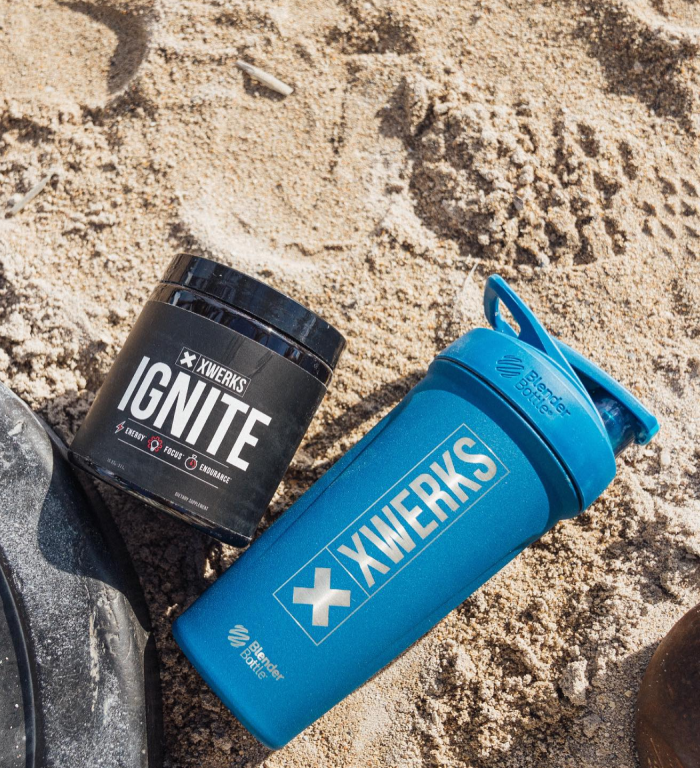
Motion is a carbohydrate-focused drink, while Ignite is a multi-ingredient pre-workout containing caffeine. Choose by the role you need rather than treating both products as interchangeable “energy.”
| Product | Relevant labeled ingredients | What it does not replace |
|---|---|---|
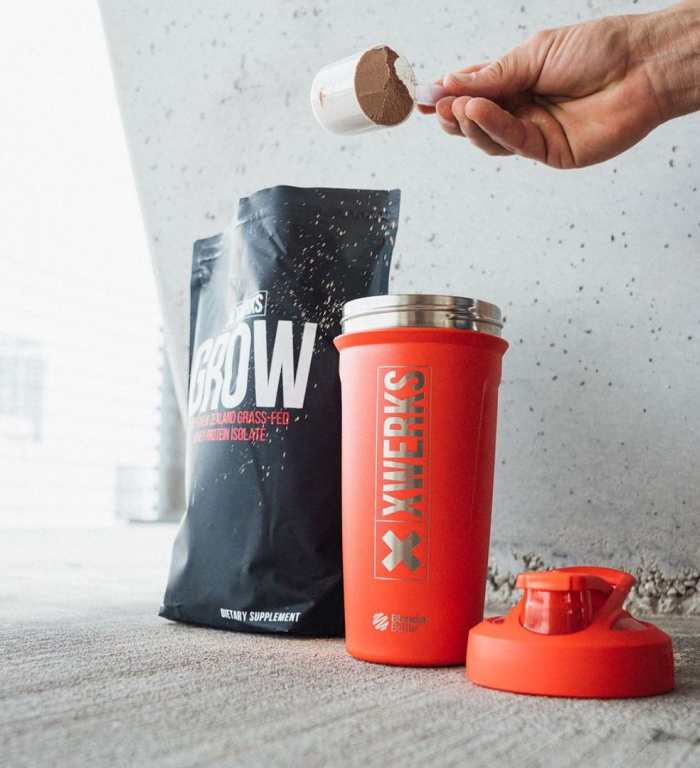
| XWERKS Motion | 25 g Cluster Dextrin, 3 g BCAAs, 34 mg sodium per scoop, plus calcium and magnesium | A complete meal, a complete protein serving or an individualized high-sodium hydration plan |
| XWERKS Ignite | 150 mg caffeine, 2 g L-tyrosine, 500 mg rhodiola root, 3 g citrulline malate 2:1 and 1.5 g beta-alanine, plus other disclosed ingredients | Carbohydrate fuel, sleep or a separate creatine routine |
Sources: current Motion label and Ignite label, checked October 9, 2026. Motion's 25 g is the Cluster Dextrin ingredient amount; use the bag's Nutrition Facts for total carbohydrate and confirm allergens. The product label image lists soy.
Ignite's rhodiola, tyrosine, DMAE, citrulline malate, beta-alanine, lactate salts, B vitamins and BioPerine mean the product is more than caffeine alone. Those ingredients still do not provide evidence that the combined formula repairs every cause of a poor session. Ingredient research and finished-product results are different forms of evidence.
Can you use carbohydrate and caffeine together?
Carbohydrate and caffeine can have separate roles in the same training plan, but using both should be a considered choice rather than an automatic stack. First establish what each product adds and whether you need it.
Follow each label, count caffeine from all sources and avoid improvising stronger-than-directed mixtures. A new combination should be tried during ordinary training, not introduced for the first time at a competition or an important session.
Keeping the drinks separate can make it easier to adjust one variable at a time. For example, changing the carbohydrate plan does not have to change caffeine intake. That separation also helps you notice whether the practical problem was an empty stomach, an inconvenient bottle or the timing of the stimulant.
How do you test a change without fooling yourself?
To evaluate a workout-fueling or caffeine change, compare several reasonably similar sessions and change one manageable part of the routine at a time. One good workout after a new supplement does not establish what caused the improvement.
Record the session, approximate meal timing, sleep, drink choice and how the workout felt. Avoid interpreting a lighter session after a full night's sleep as proof that a new powder transformed performance. Training varies for reasons that a product label cannot capture.
| Hypothetical situation | First adjustment to test | What to keep stable |
|---|---|---|
| Repeatedly arriving hungry | A reliable familiar snack before the session | Caffeine and workout structure |
| Running out of fuel during longer sessions | A practiced carbohydrate plan | Product concentration and other stimulant use |
| Feeling stimulated late at night, then tired next day | Review stimulant timing and sleep routine | Avoid adding a new stimulant to compensate |
If fatigue keeps recurring despite sensible changes, widen the review to training load and health. A sports dietitian, coach or clinician can help with the part of the problem that falls within their expertise.
Questions about carbs, caffeine and workout energy
Carbohydrate fuel and caffeine stimulation should be evaluated separately when troubleshooting workout energy. The following answers keep that distinction clear.
Will more pre-workout fix a low-fuel session?
More caffeinated pre-workout will not reliably fix inadequate workout fueling; a caffeinated formula does not supply the carbohydrate of a meal or carbohydrate drink. Review the food plan before escalating the serving.
Do beta-alanine tingles mean I am ready to train harder?
Beta-alanine tingles are not a performance test or a measure of readiness to train harder. Training decisions should account for the whole situation, including recovery and the planned workload.
Is Motion a stimulant drink?
Motion's listed ingredients do not include caffeine. It serves a different role from Ignite, which lists 150 mg caffeine per scoop.
What should I read next?
Read pre-workout versus coffee for stimulant choices and carb drinks for two-a-day workouts for sessions with more demanding fuel logistics.