

Protein Coffee: How to Make "Proffee" That Actually Tastes Good
TL;DR
- Protein coffee ("proffee") is simply coffee blended or shaken with protein powder — a way to combine your morning caffeine with 25g+ of protein in one drink.
- It's a genuinely smart habit: it front-loads protein at breakfast (when most people under-eat it), supports satiety, and replaces sugary coffee drinks with something high-protein and low-calorie.
- The key to making it taste good: use a clean whey isolate (vanilla is the most versatile), control the temperature, and mix it properly so it doesn't clump or curdle.
- Iced protein coffee is easiest — hot coffee can cause whey to clump if you dump powder straight in. Blend, froth, or pre-mix with a little cold liquid first.
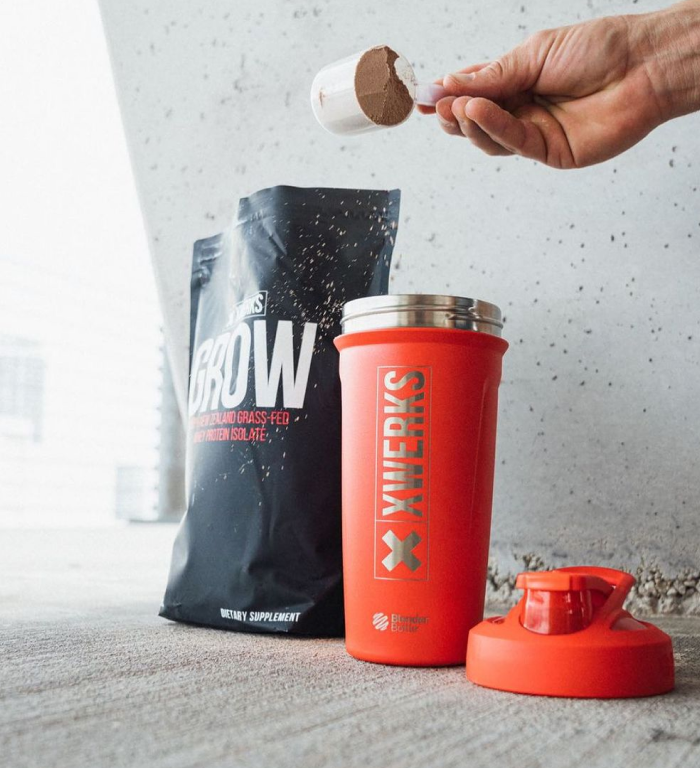
- One scoop of XWERKS Grow Vanilla turns a plain black coffee into a ~150-calorie, 25g-protein latte — no sugar, no syrups.
Protein coffee — or "proffee" — has exploded in popularity, and for good reason: it solves two problems at once. Most people drink coffee every morning and most people under-eat protein at breakfast. Combine them and you get a single drink that delivers your caffeine and a serious protein hit, often replacing a sugary cafe order in the process. But there's a right and wrong way to make it — done carelessly, hot coffee can turn protein powder into a clumpy mess. This guide covers why protein coffee is worth it, exactly how to make it taste good (hot and iced), the best protein to use, and a few recipes with macros.

What is protein coffee?
Protein coffee is exactly what it sounds like: coffee combined with protein powder, usually whey, to create a high-protein coffee drink. It can be hot or iced, blended or shaken, simple (just coffee + a scoop) or dressed up like a latte. The appeal is efficiency — one drink that delivers your morning caffeine and 20–30g of protein at the same time, often replacing a calorie-dense, sugary cafe drink with something far better for your goals.
Why protein coffee is actually a smart habit
It front-loads protein at breakfast
Research on protein distribution shows most people badly under-eat protein in the morning and overload it at dinner. Spreading protein more evenly across the day better supports muscle protein synthesis. Protein coffee is one of the easiest ways to get 25g into your morning without cooking anything.
It boosts satiety and curbs cravings
Protein is the most satiating macronutrient. Starting your day with a protein coffee instead of a pastry or sugary latte keeps you fuller longer and helps reduce mid-morning snacking — useful whether you're losing fat or just trying to eat better.
It replaces sugary cafe drinks
A flavored cafe latte or frozen coffee drink can run 300–500+ calories with 40g+ of sugar. A protein coffee made with a clean isolate is roughly 130–160 calories, near-zero sugar, and 25g of protein. Same caffeine, completely different nutrition.
It's effortless and repeatable
You already make coffee every morning. Adding a scoop of protein is a near-zero-effort habit that compounds — an easy daily win toward your protein target.
The #1 rule: don't dump protein into hot coffee
How to make protein coffee (iced — the easy way)
Classic Iced Protein Coffee (Proffee)
- 1 scoop XWERKS Grow Vanilla
- 4–6 oz cold water or milk of choice
- 1 cup cold brew or chilled coffee
- Ice
Shake the protein with the cold water/milk in a shaker bottle until smooth. Pour over ice, then top with cold brew and stir. Done.
Iced is foolproof because everything's cold — no clumping risk. A shaker bottle is all you need, though a blender makes it extra smooth and frothy.
How to make protein coffee (hot — done right)
Hot Protein Latte
- 1 scoop XWERKS Grow Vanilla
- 3–4 oz cold milk or water (to make a slurry)
- 1 cup hot coffee
First mix the protein with the cold liquid until completely smooth (a slurry). Slowly stir or froth in the hot coffee. The pre-mixing step is what prevents clumping. For the smoothest result, use a milk frother or blend briefly.
The golden rule for hot protein coffee: make the protein smooth in cold liquid first, then introduce the heat. Never the reverse. A handheld frother is the single best tool for a lump-free hot protein latte.
The best protein for protein coffee
Whey isolate > concentrate
Isolate mixes smoother, is nearly lactose-free (gentler if dairy bothers you), and has a cleaner taste that doesn't fight the coffee. Concentrate is more prone to grit and off-notes in a simple drink like this where there's nothing to hide behind.
Vanilla is the most versatile flavor
Vanilla turns coffee into a clean vanilla latte and pairs naturally with cinnamon, mocha (add cocoa), or caramel notes. Chocolate works for mocha-style drinks but is more limiting. Unflavored works but adds nothing. For proffee, a clean vanilla isolate like XWERKS Grow Vanilla is the ideal default — see why in our best vanilla protein guide.
Clean, restrained sweetness wins
Over-sweet, sucralose-heavy proteins can taste chemical in coffee. A naturally-sweetened isolate keeps the drink tasting like coffee, not candy. Grow's stevia-sweetened, real-vanilla formula was built for exactly this kind of clean daily use.
A few more protein coffee recipes
Mocha Protein Coffee
- 1 scoop Grow Vanilla (or chocolate)
- 1 tsp unsweetened cocoa powder
- 4 oz cold milk + 1 cup coffee, iced or hot-slurry method
Cinnamon Vanilla Protein Latte
- 1 scoop Grow Vanilla
- Pinch of cinnamon
- 4 oz cold milk + 1 cup coffee
Blended Protein Frappe
- 1 scoop Grow Vanilla
- 1 cup chilled coffee + 4 oz milk
- Big handful of ice
Blend everything until thick and frothy — a high-protein answer to a frozen coffee drink.
Common protein coffee mistakes
Dumping powder into hot coffee. The #1 error — always make a cold slurry first or go iced.
Using gritty concentrate. A simple drink exposes low-quality protein. Use a smooth isolate.
Over-sweetened protein. Sucralose-heavy powders taste chemical in coffee. Go clean and naturally sweetened.
Skipping the frother/shaker. Trying to stir protein in with a spoon guarantees lumps. Shake, blend, or froth.
Forgetting it counts toward your macros. Protein coffee with milk and add-ins still has calories — factor it into your day (though it's far better than a sugary cafe drink).
The Bottom Line
Protein coffee is one of the easiest high-value habits you can build — it front-loads protein at breakfast (when most people fall short), boosts satiety, and replaces sugary cafe drinks with a clean ~150-calorie, 25g-protein latte using the coffee you already drink.
The one rule that matters: don't dump protein into hot coffee. Make a smooth slurry with cold liquid first, then add the heat — or go iced, which is foolproof. Shake, blend, or froth; never just stir.
Use a clean whey isolate, and vanilla is the most versatile flavor. XWERKS Grow Vanilla mixes smooth, tastes clean in coffee, and turns a black coffee into a no-sugar protein latte in seconds.
Further Reading
What to Mix Protein Powder With
Best Tasting Vanilla Protein Powder
References
1. Mamerow MM, et al. Dietary protein distribution positively influences 24-h muscle protein synthesis in healthy adults. J Nutr. 2014;144(6):876-880.
2. Leidy HJ, et al. The role of protein in weight loss and maintenance. Am J Clin Nutr. 2015;101(6):1320S-1329S.
3. Paddon-Jones D, et al. Protein, weight management, and satiety. Am J Clin Nutr. 2008;87(5):1558S-1561S.