5 Natural Fat Burners That Actually Work (And What to Skip)
TL;DR
- The 5 natural fat burners with real evidence: caffeine, green tea (EGCG), protein, capsaicin (cayenne), and cold exposure. Effect sizes are modest — think 3-10% boost to daily energy expenditure, not "melting pounds."
- What actually burns fat: caloric deficit, adequate protein, resistance training, sleep, and walking. Natural fat burners amplify these fundamentals by 5-15%. They don't replace them.
- Skip: garcinia cambogia, raspberry ketones, CLA, detox teas, L-carnitine pills, and most "thermogenic blend" products. Minimal evidence or effect sizes so small they're clinically irrelevant.
- Honest framing: no "natural fat burner" produces meaningful weight loss without a caloric deficit. The supplements below work by supporting the fundamentals — not by bypassing them.
"Natural fat burner" is one of the most misleading phrases in the supplement industry. Most marketed "fat burners" — natural or synthetic — have either minimal evidence or effect sizes so small they're clinically meaningless without a concurrent caloric deficit. That said, a small handful of compounds do produce measurable effects on metabolism, appetite, or fat oxidation. The five that have genuine research support: caffeine (3-6mg/kg body weight), green tea catechins/EGCG (200-500mg), adequate dietary protein (1.6-2.2g/kg daily), capsaicin from cayenne pepper (6-10mg), and cold exposure. Combined with the fundamentals — caloric deficit, resistance training, 7-9 hours sleep, and daily walking — these can meaningfully amplify fat loss results by an estimated 5-15%. But none produces meaningful results in isolation. This guide honestly walks through what actually works, what effect sizes to realistically expect, and what heavily marketed "natural fat burners" to skip entirely.
The honest reality about natural fat burners
Before the list, a reality check that most supplement-industry content avoids:
Fat loss is 90% caloric deficit and 10% everything else
Every pound of body fat represents roughly 3,500 stored calories. To lose it, you have to burn more than you consume over time. No supplement — natural or otherwise — creates fat loss without a caloric deficit. The supplements in this article work by amplifying the deficit (increasing expenditure, reducing intake, or optimizing body composition) — not by substituting for it.
Effect sizes are modest at best
Even the best-evidence natural fat burners produce modest effects. Caffeine increases daily energy expenditure by roughly 3-11%. Green tea catechins add perhaps 1-4% on top. Capsaicin contributes another 1-2%. These stack to maybe 5-15% cumulative benefit — meaningful over months, but not the "lose 10 lbs in 2 weeks" framing common in marketing.
Context changes what matters most
For GLP-1 medication users, protein supplementation becomes the highest-value "fat burner" because 25-40% of GLP-1 weight loss comes from muscle and protein preservation determines body composition outcomes. For athletes cutting weight, caffeine's training performance benefits matter more than its metabolic rate effects. For sedentary people starting fat loss, walking and sleep optimization matter more than any supplement.
The 5 natural fat burners with real evidence
1. Caffeine — The most-researched fat burner
What it does
Caffeine affects fat metabolism through multiple mechanisms: mobilizes free fatty acids from adipose tissue, increases resting metabolic rate (3-11% depending on dose), enhances fat oxidation during exercise, and mildly suppresses appetite. The training-performance benefits also support fat loss indirectly by making harder workouts feel easier.
The research
Caffeine is the most-researched legal performance and metabolic supplement. Multiple meta-analyses confirm modest increases in resting metabolic rate and fat oxidation, with the effect being more pronounced in lean individuals than obese (because adipose tissue itself is metabolically less active).
Dose and timing
For fat loss specifically: 150-300mg, 30-60 minutes before workouts. For pure metabolic rate support: 3-6mg per kg body weight taken in the morning.
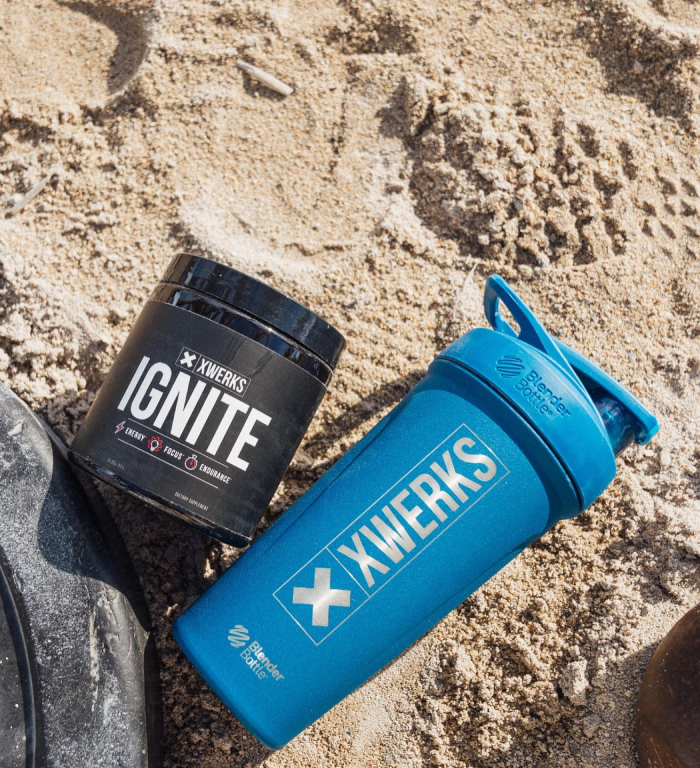
Sources: Coffee (80-200mg per cup), caffeine pills, or pre-workout formulas. XWERKS Ignite provides 150mg caffeine plus citrulline, tyrosine, beta-alanine, and rhodiola in one pre-workout formulation.
Critical: Avoid within 8 hours of sleep. Sleep disruption from late-day caffeine costs more performance than the metabolic bump provides.
2. Green Tea & EGCG — Caffeine's Companion
What it does
Green tea contains catechins, with epigallocatechin gallate (EGCG) as the most potent. EGCG supports fat oxidation by inhibiting catechol-O-methyltransferase (COMT), which prolongs the fat-mobilizing effects of epinephrine. Particularly effective when combined with caffeine (which green tea naturally contains).
The research
Multiple meta-analyses show green tea/EGCG combined with caffeine produces small but real increases in 24-hour energy expenditure (roughly 80-100 extra calories per day) and modest fat oxidation increases during exercise. Standalone EGCG (decaffeinated extract) has smaller effects — the catechin-caffeine combination is what matters.
Dose
Via tea: 2-4 cups of high-quality green tea daily provides 160-400mg total catechins plus moderate caffeine.
Via extract: 300-500mg EGCG per day, standardized green tea extract.
Best timing: With meals or before exercise.
3. Adequate Dietary Protein — The Most Underrated "Fat Burner"
Why protein deserves the #1 or #2 spot
Protein is the most underrated "fat burner" because it's not marketed as one — but it produces larger, more reliable fat-loss effects than any single supplement. Three mechanisms:
Thermic effect of food: Your body burns 20-30% of protein calories during digestion, compared to 5-10% for carbs and 0-3% for fat. Shifting 500 calories from carbs/fat to protein adds ~75-100 daily calories burned.
Satiety: Protein is the most filling macronutrient. Higher protein intake reduces spontaneous caloric intake — most people naturally eat less when protein is high.
Muscle preservation: During caloric deficit, adequate protein combined with resistance training directs catabolism toward fat loss while preserving muscle — keeping metabolic rate higher and producing better body composition outcomes.
Target intake
1.6-2.2g protein per kg body weight daily during fat loss. For GLP-1 users, 2.0-2.4g/kg. Distribute across 3-4 meals, 25-45g per serving.
Practical numbers: 150 lbs → 110-150g/day, 180 lbs → 130-180g/day, 220 lbs → 160-220g/day.
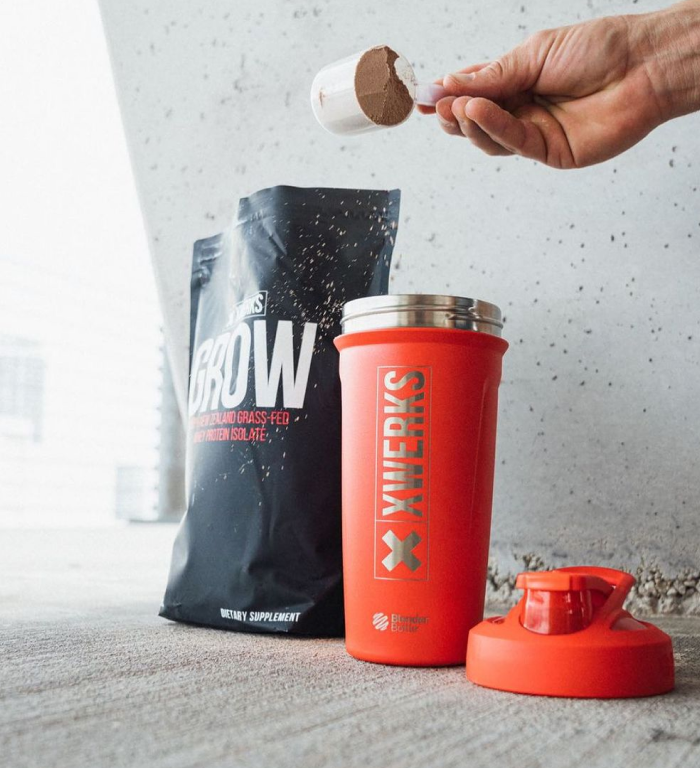
Hitting these targets through whole food alone is difficult for most people. XWERKS Grow provides 25g NZ grass-fed whey isolate per scoop — the easiest way to close the daily protein gap.
4. Capsaicin (Cayenne Pepper) — Thermogenic Spice
What it does
Capsaicin, the compound that gives chili peppers their heat, produces mild thermogenesis (heat production from metabolic activity) and modest appetite suppression. The effect is real but small — studies typically show increases of 50-100 calories in 24-hour energy expenditure.
The research
Several meta-analyses have confirmed modest increases in energy expenditure and fat oxidation from capsaicin consumption. The effect is most pronounced in individuals not habituated to spicy foods — if you eat spicy food regularly, your body adapts and the effect diminishes.
How to use it
Food-based: Add cayenne pepper to meals regularly. 0.5-2g of cayenne pepper (½ to 2 tsp) per day provides meaningful capsaicin.
Supplement form: Capsaicin capsules at 30-100mg per day (check for total capsaicinoids on label).
Best timing: Before or with meals, when the satiety and thermogenic effects coincide with food intake.
Honest framing
Capsaicin produces real but modest effects. It's more valuable as a meal-flavoring and satiety tool than as a "fat burner" in any meaningful sense. Adding spice to your diet is a low-cost, zero-risk way to very slightly amplify fat loss — but don't expect dramatic results.
5. Cold Exposure — The Underrated Lever
What it does
Cold exposure activates brown adipose tissue (BAT), which burns calories to generate heat. Regular cold exposure also appears to improve metabolic health markers, insulin sensitivity, and recovery. The fat-loss effects are modest but real, and cold exposure has multiple secondary health benefits that amplify training outcomes.
The research
Research on cold thermogenesis has expanded substantially in recent years. Studies have documented that regular cold exposure increases BAT activity, mildly elevates resting metabolic rate, and may improve glucose metabolism. Effects are modest individually but compound over time.
How to use it
Cold showers: End daily showers with 1-3 minutes of cold water. Simple, accessible, nearly free.
Ice baths / cold plunges: 2-5 minutes at 50-55°F, 2-4x per week. More intense, more adaptation.
Cool environments: Even keeping your home 66-68°F instead of 72°F produces mild ongoing BAT activation.
Outdoor exposure: Walking or exercising in cold weather (appropriately dressed for safety) provides a free version of cold thermogenesis.
The honest caveat
Cold exposure produces real metabolic effects but the magnitude is modest for weight loss purposes. Its value is multi-dimensional — fat loss is one benefit among several (improved recovery, stress tolerance, dopamine response, potential longevity support). Don't pursue cold exposure purely for fat loss, but if you're already doing it for other reasons, the metabolic bump is a bonus.
Summary: the natural fat burner stack
| Fat Burner | Dose | Evidence Strength | Rough Effect |
|---|---|---|---|
| Adequate protein | 1.6-2.2g/kg daily | Strong | Higher satiety, 75-100 extra cal/day from TEF, muscle preservation |
| Caffeine | 150-300mg pre-workout | Strong | 3-11% metabolic rate increase |
| Green tea / EGCG | 300-500mg daily | Moderate | ~80-100 extra cal/day |
| Capsaicin (cayenne) | 0.5-2g daily | Moderate | ~50-100 extra cal/day, mild satiety |
| Cold exposure | Cold showers or plunges | Moderate | Small BAT-driven metabolic increase |
What to skip — "natural fat burners" with minimal evidence
The "natural" label doesn't guarantee effectiveness. These heavily-marketed options have minimal research support or effect sizes too small to matter:
Garcinia Cambogia (HCA)
Popularized by TV health shows a decade ago. Meta-analyses have consistently found minimal weight loss benefit — usually less than 1 lb additional loss over several weeks of supplementation. Cases of liver toxicity have been reported with certain formulations. Skip.
Raspberry Ketones
Extrapolated entirely from mouse studies that don't translate to humans. Human research has failed to demonstrate meaningful weight loss benefits. Pure marketing play — expensive supplement with no real evidence.
CLA (Conjugated Linoleic Acid)
Heavily marketed as a "natural fat burner," but meta-analyses find average weight loss of 0.1-0.2 lbs per week over standard dieting — clinically meaningless. Concerns also exist about negative effects on insulin sensitivity at higher doses.
L-Carnitine
Theoretically supports fat oxidation by transporting fatty acids into mitochondria. In practice, meaningful weight loss effects in healthy adults are minimal. Effective supplementation would require specific contexts (vegetarians, elderly) and higher doses than typical products provide.
Apple Cider Vinegar (supplement doses)
Modest glucose-regulation effects at food quantities (1-2 tablespoons with meals). The high-dose ACV pills and gummies marketed for weight loss have minimal additional benefit and can damage tooth enamel or cause GI issues.
Detox teas and "cleanses"
The "weight loss" is primarily diuretic (water loss) plus laxative effects — no actual fat loss. Many contain senna or other harsh laxatives that cause electrolyte imbalances and GI damage with regular use.
Coconut oil (mega-dose)
MCTs in coconut oil have modest metabolic effects at controlled doses, but coconut oil is extremely calorie-dense (120 calories per tablespoon). "Adding coconut oil to everything" usually increases caloric intake by more than it increases expenditure — net negative for fat loss. Skip the supplement marketing; use it sparingly as a cooking oil.
"Thermogenic blends" and "fat burner" pills
Most commercial "fat burner" products combine high-dose caffeine (200-300mg+) with a proprietary blend of herbs, stimulants, and compounds with minimal individual evidence. The caffeine does something; the rest is mostly filler at premium pricing. You can get the caffeine benefit from coffee or a clinically-dosed pre-workout for a fraction of the price.
The fundamentals matter more than any fat burner
Every "natural fat burner" in this article produces modest effects. The variables that produce much larger effects:
Caloric deficit (~300-500 calories/day)
This is the math of fat loss. No supplement substitutes for it. A sustained 400-calorie deficit produces roughly 0.7-0.8 lbs of fat loss per week — massively larger than any "fat burner" effect.
Resistance training 3-4x per week
Preserves muscle mass during deficit (protecting metabolic rate), produces better body composition outcomes, and creates excess post-exercise oxygen consumption (EPOC) for continued caloric burn after workouts.
Walking 8,000-10,000+ steps daily
NEAT (non-exercise activity thermogenesis) often accounts for more daily caloric expenditure than formal workouts. Taking 10,000 steps instead of 3,000 daily can add 200-400 calories of daily expenditure — larger than most fat burners produce.
7-9 hours of sleep
Sleep deprivation increases ghrelin (hunger), decreases leptin (satiety), worsens insulin sensitivity, and increases cortisol. Trying to lose fat while sleeping 5 hours is fighting your own physiology — and no supplement fixes it.
Stress management
Chronic stress elevates cortisol, drives visceral fat accumulation, and triggers cravings. Direct stress-management (sleep, walking, meditation, strength training, social connection) beats any supplement intervention for this pathway.
Common mistakes with natural fat burners
1. Expecting supplements to replace dieting. Even the best natural fat burners add 5-15% to results built on a foundation of deficit and training. They don't create fat loss from nothing.
2. Stacking 8-10 fat-burner supplements simultaneously. Each individual effect is small; stacking many doesn't multiplicatively compound, but it does compound costs and potential side effects.
3. Over-caffeinating. 400-600mg daily caffeine creates anxiety, sleep disruption, and cortisol elevation — which can work against fat loss. 150-300mg pre-workout is usually the right zone.
4. Ignoring protein in favor of trendy compounds. Protein is the most underrated "natural fat burner." Getting 1.6-2.2g/kg consistently beats layering garcinia and raspberry ketones.
5. Chasing thermogenic effects at the expense of sleep. Green tea extract pills late in the day or high-caffeine fat burners can wreck sleep. Poor sleep degrades fat loss more than the supplement helps.
6. Buying "proprietary blend" fat burners. Hidden dosing means you're paying for marketing rather than effective doses. A clinically-dosed pre-workout with 150mg caffeine and evidence-backed ingredients outperforms most "fat burner" blends.
7. Skipping resistance training while dieting. "I'll just do cardio plus fat burners to lose weight" is how you lose muscle alongside fat, lower metabolic rate, and end up "skinny fat" with worse body composition than where you started.
The Bottom Line
The 5 natural fat burners with real evidence: caffeine (3-11% metabolic increase), green tea/EGCG (~80-100 extra cal/day when combined with caffeine), adequate protein (75-100 extra cal/day from TEF + satiety + muscle preservation), capsaicin (~50-100 extra cal/day), and cold exposure (modest BAT-driven metabolic increase).
Effect sizes are modest. Even stacked, these produce 5-15% amplification of results — not "melting pounds fast." They work by supporting the fundamentals, not replacing them.
Skip the low-evidence options: garcinia cambogia, raspberry ketones, CLA, L-carnitine (outside specific contexts), ACV pills, detox teas, coconut oil mega-dosing, and most "thermogenic blend" proprietary products. Most have minimal evidence and extract premium pricing for marginal benefit.
Fundamentals matter more: sustained caloric deficit, 1.6-2.2g/kg protein, resistance training 3-4x/week, 8,000-10,000 daily steps, 7-9 hours sleep, stress management. Natural fat burners amplify these fundamentals by 5-15%. They don't substitute for them.
The Evidence-Based Fat Loss Stack
XWERKS Grow (25g whey isolate for the highest-value "fat burner" — protein, satiety, muscle preservation) + Ignite (150mg caffeine pre-workout for training support and moderate metabolic boost). No proprietary blends, no exotic ingredients, no marketing-driven "fat burner" pricing — just the evidence-backed basics.
SHOP GROW → SHOP IGNITE →Further Reading
The Best Supplements for Weight Loss
Supplements for GLP-1 Muscle Loss
How to Maintain Muscle on Semaglutide
The Athletic Benefits of Caffeine
References
1. Hursel R, Westerterp-Plantenga MS. Thermogenic ingredients and body weight regulation. Int J Obes. 2010;34(4):659-669.
2. Guest NS, et al. International society of sports nutrition position stand: caffeine and exercise performance. J Int Soc Sports Nutr. 2021;18(1):1.
3. Hursel R, et al. The effects of green tea on weight loss and weight maintenance: a meta-analysis. Int J Obes. 2009;33(9):956-961.
4. Leidy HJ, et al. The role of protein in weight loss and maintenance. Am J Clin Nutr. 2015;101(6):1320S-1329S.
5. Whiting S, et al. Capsaicinoids and capsinoids. A potential role for weight management? Appetite. 2012;59(2):341-348.
6. van der Lans AA, et al. Cold acclimation recruits human brown fat and increases nonshivering thermogenesis. J Clin Invest. 2013;123(8):3395-3403.
7. Longland TM, et al. Higher compared with lower dietary protein during an energy deficit combined with intense exercise promotes greater lean mass gain and fat mass loss. Am J Clin Nutr. 2016;103(3):738-746.