Protein in Oatmeal: How Much It Has & How to Add More
TL;DR
- Plain oatmeal has about 5–6g of protein per half-cup (dry) serving — decent for a grain, but not enough to make breakfast a high-protein meal on its own.
- Oats are a quality complex carb with fiber (especially beta-glucan), but they're incomplete protein — low in the amino acid lysine. Pairing them with a complete protein fixes that.
- The easiest way to turn oatmeal into a 30g+ protein breakfast: stir in a scoop of whey isolate after cooking, plus high-protein add-ins like Greek yogurt, milk, egg whites, or nut butter.
- Add whey off the heat — stir it in once the oatmeal has cooled slightly so it stays creamy and doesn't clump.
- One scoop of XWERKS Grow adds 25g of complete protein, turning a ~6g breakfast into a ~30g+ muscle-supporting meal.
Oatmeal is one of the most popular breakfasts in the world — cheap, filling, full of fiber, and a great complex-carb energy source. But a common question follows it around: how much protein does oatmeal actually have, and is it enough? The honest answer is that oats have a respectable amount of protein for a grain, but not enough to anchor a high-protein breakfast on their own. The good news is that oatmeal is the perfect canvas for adding protein. This guide breaks down exactly how much protein is in oats, why the type of protein matters, and the easiest ways to turn your bowl into a 30g+ protein meal.

How much protein is in oatmeal?
A standard serving of oats — half a cup dry (about 40g) — contains roughly 5–6g of protein. That's actually solid for a grain (more than most cereals and breads), but it falls well short of the 25–40g most people want at breakfast to support muscle and stay full. Here's how the common forms compare:
| Oat type | Serving (dry) | Protein | Notes |
|---|---|---|---|
| Rolled oats | 1/2 cup (~40g) | ~5–6g | The classic; balanced cook time |
| Steel-cut oats | 1/4 cup (~40g) | ~5–6g | Chewier, longer cook, same protein |
| Instant oats (plain) | 1 packet (~28g) | ~4g | Smaller serving; flavored = added sugar |
| Oat flour | ~40g | ~5–6g | For protein baking/pancakes |
So your typical bowl gives you about 5–6g of protein from the oats themselves. To make it a genuine high-protein breakfast, you add to it — and oatmeal happens to be an ideal base for that.
The catch: oat protein is incomplete
The easiest ways to add protein to oatmeal
1. Stir in whey isolate (the simplest big hit)
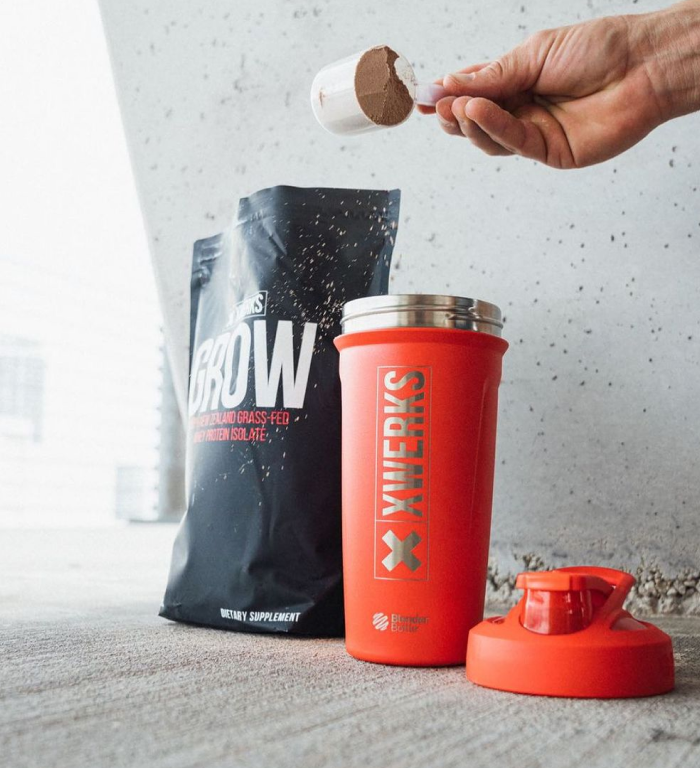
The single most efficient move: stir a scoop of whey isolate into your cooked oatmeal for an instant +25g of complete protein. XWERKS Grow works perfectly — vanilla blends in like a treat, and isolate keeps it smooth. Key tip below on when to add it.
2. Cook it in milk instead of water
Cooking oats in dairy milk (or a higher-protein milk) instead of water adds ~8g of complete protein and makes the oatmeal creamier. Stacks with the whey for an even bigger hit.
3. Top with Greek yogurt
A dollop of Greek yogurt adds ~10g of protein, a creamy texture, and a pleasant tang. Great alongside whey for a thick, high-protein bowl.
4. Stir in egg whites while cooking
Whisking egg whites into oats during the last couple minutes of cooking (stirring constantly) adds ~7g of protein and a fluffy, almost custardy texture. A classic "proats" technique.
5. Add nut butter or seeds
A tablespoon of peanut or almond butter adds ~4g protein plus healthy fats and staying power; hemp seeds or chia add a few grams more. Smaller protein boosts, but great for flavor and texture.
The key tip: add whey off the heat
High-protein oatmeal recipes
The 35g Protein Power Bowl
- 1/2 cup rolled oats (~6g)
- Cooked in 1 cup milk (~8g)
- 1 scoop XWERKS Grow Vanilla, stirred in off heat (~25g)
- Top with berries
Peanut Butter Banana Proats
- 1/2 cup oats cooked in water or milk
- 1 scoop Grow Vanilla (off heat)
- 1 tbsp peanut butter + 1/2 sliced banana
Overnight Protein Oats (no cooking)
- 1/2 cup oats + 1 scoop Grow Vanilla
- 2/3 cup milk + dollop Greek yogurt
- Stir, refrigerate overnight
Cold method = no clumping risk and zero morning effort. Mix the whey right in.
Is oatmeal a good breakfast for building muscle or losing fat?
For muscle: Yes — once you add complete protein. Oats provide the complex carbs that fuel training, and the added whey/dairy supplies the complete, leucine-rich protein muscle needs. The combination is a near-ideal pre- or post-training breakfast.
For fat loss: Also yes — oats are filling and high in fiber (the beta-glucan in oats supports satiety), and a high-protein oatmeal keeps you full for hours, reducing snacking. Just watch the toppings: a protein bowl with berries is great; one drowning in sugar, granola, and syrup is a different story. Build it around protein and fiber, go easy on added sugar.
The Bottom Line
Plain oatmeal has about 5–6g of protein per half-cup serving — solid for a grain, but not enough to anchor a high-protein breakfast. Oats are also an incomplete protein (low in lysine), so pairing them with a complete source makes the protein more useful.
The easiest upgrade: stir in a scoop of whey isolate off the heat. One scoop of XWERKS Grow adds 25g of complete, lysine-rich protein, turning a ~6g bowl into a 30g+ muscle-supporting breakfast. Cook in milk and add Greek yogurt or nut butter to push it higher.
Add whey after cooking, not into boiling oats — let the bowl cool a minute first (or use overnight oats) to keep it creamy and lump-free. Build the bowl around protein and fiber, go easy on sugary toppings, and oatmeal becomes one of the best breakfasts for muscle or fat loss alike.
Further Reading
What to Mix Protein Powder With
Protein Coffee: How to Make Proffee
References
1. U.S. Department of Agriculture, FoodData Central. Oats, raw — nutrient profile. fdc.nal.usda.gov.
2. Jäger R, et al. International Society of Sports Nutrition position stand: protein and exercise. J Int Soc Sports Nutr. 2017;14:20.
3. Mamerow MM, et al. Dietary protein distribution positively influences 24-h muscle protein synthesis in healthy adults. J Nutr. 2014;144(6):876-880.
4. Whitehead A, et al. Cholesterol-lowering effects of oat beta-glucan: a meta-analysis of randomized controlled trials. Am J Clin Nutr. 2014;100(6):1413-1421.