On U.S. protein powder labels, “natural” and “artificial” describe where the flavoring comes from. To choose between two powders, read the ingredient list for the flavor you’ll actually buy. Then check the sweetener, protein per serving and allergen declaration separately. Two shakes can use different flavorings and still provide the same amount of protein.
What makes a flavor natural or artificial?
A natural flavor gets its flavoring components from sources specified in U.S. labeling rules. These include fruits, spices, herbs and other plant materials, as well as sources such as dairy and certain fermentation products. Manufacturers can extract, distill or heat those materials to obtain a flavor. An artificial flavor imparts taste or aroma using a substance derived from outside the specified natural sources. Both categories describe ingredients used primarily for their flavor. Read the definitions in 21 CFR 101.22(a).
Imagine picking up a strawberry-flavored powder. The name on the front tells you the taste to expect. To find out whether the powder includes strawberries themselves, look for a named ingredient such as strawberry powder or freeze-dried strawberries. If the list says only “natural flavors,” the precise source of each flavor component may be undisclosed. The rules allow many flavor ingredients to be declared collectively. See the ingredient declaration rules in section 101.22(h).
How do flavorings differ from sweeteners?
Flavorings give a shake its recognizable character, such as vanilla or strawberry. Sweeteners supply sweetness. A powder can pair natural flavoring with sucralose, or combine artificial flavoring with stevia. Someone avoiding a particular sweetener needs to look for that ingredient by name. The same goes for a preference about color or texture.
Two Grow labels, read side by side
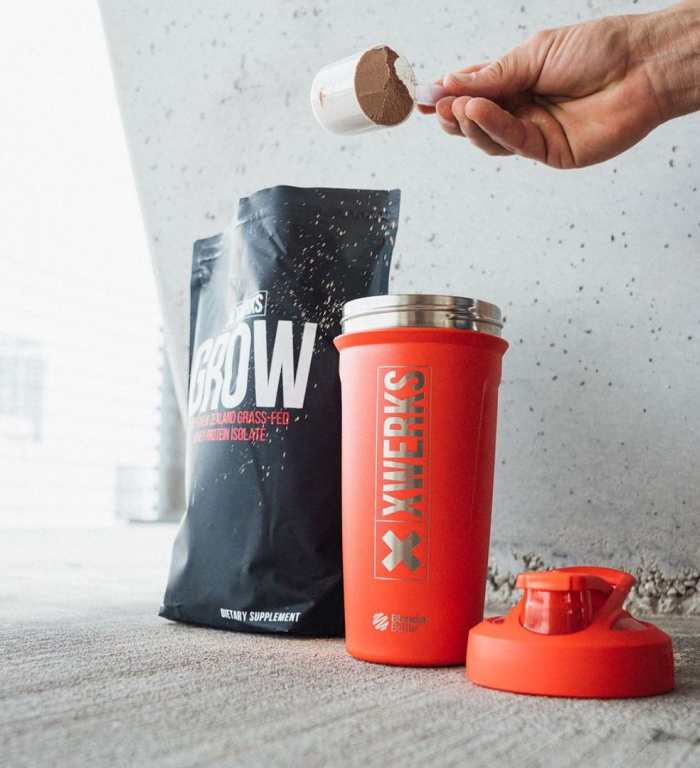
The current U.S. XWERKS Grow panels show how much can vary within one bag design. Here’s what to look for when comparing Chocolate with Strawberry. The online panel gives a serving size of one scoop, approximately 32 g. Check the panel on your own bag for the formula you have.
- Chocolate
- The ingredients include whey protein isolate, cocoa powder, natural flavors, xanthan gum and stevia. Cocoa appears by name, so you can tell that cocoa powder contributes to the chocolate shake. The separate natural-flavor entry gives less detail about the rest of its flavor blend.
- Strawberry
- The panel lists whey protein isolate, natural and artificial flavors, citric acid, xanthan gum, stevia and beet juice for color. The pink color and strawberry taste have separate entries. A shopper looking for strawberry powder can check that list before choosing the flavor.
Both panels list 25 g protein per scoop, stevia and milk as an allergen. If your goal is 25 g of protein, either flavor supplies that amount at the labeled serving. If you prefer to avoid artificial flavoring, Chocolate fits that preference. If you want to avoid stevia, choosing between these two flavors won’t solve it. Grow Chocolate panel · Grow Strawberry panel
Is one flavor category healthier?
The source category alone gives too little information to rank two powders for health. The FDA evaluates food ingredient safety in relation to the substance and its intended conditions of use. A flavor declaration supplies neither the full blend nor the amount of each component. It also tells you little about protein, added sugars or how a particular shake will agree with you. Use the facts panel and your own dietary requirements for those decisions. FDA explanation of ingredient safety standards and intended use.
If milk is an allergy concern, start with the protein source. Whey comes from milk, including when it is listed as whey protein isolate. For packaged foods under FDA rules, a major allergen used as an ingredient must be identified by food source, including when it is present in a flavoring. Look at the ingredient list and any “Contains” statement. If your specific trigger or cross-contact risk is unclear, contact the manufacturer before consuming the powder. FDA guide to reading food allergen labels.
Which protein powder should you choose?
- If you care about a specific flavor source, look for the ingredient you want, such as cocoa powder or vanilla extract. A named ingredient gives you more information than a collective flavor declaration.
- If taste is your priority, try a small serving mixed the way you normally drink it. Cocoa, sweetness, texture and the liquid you mix it with all shape the result. For more on comparing chocolate powders, see our chocolate protein powder guide.
- If you want to control the flavor yourself, check the ingredient list of an unflavored powder and add your own cocoa, fruit or vanilla. Include anything you add when calculating the shake’s nutrition.
Choosing a flavor online? Select the variety first, then open its Nutrition Facts & Ingredients panel to check the protein, flavoring and sweetener together. Compare Grow flavors and ingredients.