For powerlifting, choose protein powder by how it fits the diet: protein per serving, carbohydrate and fat contribution, flavor and cost. Grow suits a meal plan in which the powder supplies protein and ordinary food supplies most of the remaining energy. Chocolate Grow provides 25 g protein, 1 g carbohydrate and 0.5 g fat per serving. Grow label
Which protein option fits your lifting diet?
Choose Grow for a whey-isolate serving with little added carbohydrate or fat; compare alternatives on an equal-protein basis if value is the priority. Grow and Legion Whey+ are both isolates. The stronger choice is the one that fits your actual meals and budget, not the one with the most strength-oriented name. Grow label Whey+ label
| Your priority | Option to consider | Reason |
|---|---|---|
| Protein with room to choose the rest of the meal | Chocolate Grow | 25 g protein, 1 g carbohydrate, 0.5 g fat. Grow label |
| Another whey-isolate flavor or package | Legion Whey+ | Compare the chosen label and cost per equal protein amount. Whey+ label |
| The lowest cost for your food plan | Compare cost per 25 g protein | Use package price, full servings and protein grams together. |
| An easier meet-travel setup | Familiar food or a ready-to-drink option | Choose according to mixing, storage and clean-up access. |
What is in a serving of XWERKS Grow?
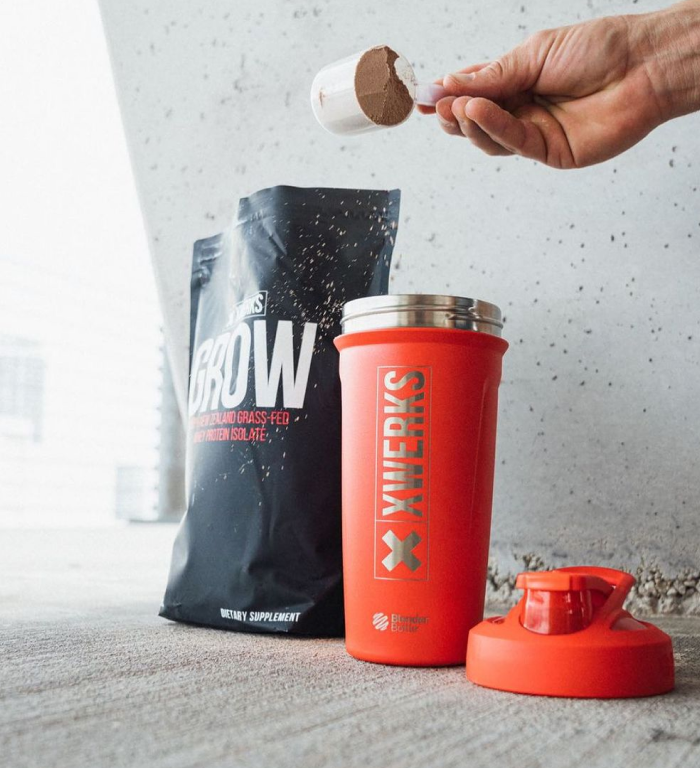
Chocolate XWERKS Grow provides 25 g protein per serving from whey isolate, with 1 g carbohydrate and 0.5 g fat. The selected flavor matters when comparing nutrition. Grow label
| Label detail | What to compare |
|---|---|
| Protein source | New Zealand grass-fed whey protein isolate |
| Chocolate serving | 25 g protein; 110 calories; 1 g carbohydrate; 0.5 g fat |
| Flavor variation | Peanut butter lists 23 g protein. Check the selected flavor label. |
| Package supply | 30 servings |
| Allergen | Contains milk; not a dairy-free protein. |
What is the powder meant to add to the diet?
A powerlifting protein powder should add convenient protein to a meal plan you can sustain. Chocolate Grow's 25 g protein serving comes with 1 g carbohydrate and 0.5 g fat, giving you room to choose the rest of the meal around training and appetite. Grow label
Start with a typical lifting day. Identify the meal, work break or travel period where protein is awkward to obtain. Then compare a shake with the food you would otherwise eat at that time. This keeps the purchase tied to a useful job.
How much does 25 g of protein actually cost?
Chocolate Grow costs $2.30 per 25 g protein at the $69 one-time bag price checked September 25, 2026. The calculation uses 30 servings at 25 g protein each and excludes shipping, taxes, and discounts. Grow label
To compare another powder, use package price ÷ servings × 25 ÷ protein grams per serving. The graph below uses hypothetical packages: $60 for 30 servings of 20 g protein costs $2.50 per 25 g; $70 for 30 servings of 25 g costs $2.33; $80 for 40 servings of 25 g costs $2.00. These examples demonstrate the formula and are not current brand prices.
How does a lean powder fit different training phases?
A powder with little carbohydrate or fat lets a powerlifter adjust those nutrients through the surrounding meal. Chocolate Grow's 1 g carbohydrate and 0.5 g fat accompany its 25 g protein serving. Milk, oats, fruit, or other additions change the finished shake's nutrition and must be counted separately. Grow label
For a higher-energy meal, add foods that fit the plan rather than assuming a second protein scoop is the only way to increase intake. For a more controlled meal, use the powder with a mixing liquid whose nutrition is known. Neither approach requires the powder to change its role.

| Example package | Cost per 25 g protein |
|---|---|
| $60; 30 servings; 20 g protein each | $2.50 |
| $70; 30 servings; 25 g protein each | $2.33 |
| $80; 40 servings; 25 g protein each | $2.00 |
Should protein be planned per day or only after lifting?
Daily protein intake provides the starting point; a post-lifting shake is one contribution to that total. The 2017 ISSN position stand identifies 1.4–2.0 g/kg/day as sufficient for most exercising adults, with context-specific needs. The statement is general exercise guidance, not a mandatory target for every powerlifter or weight class. ISSN protein review
A practical food audit can start with the meals already eaten. Identify a meal or travel period that lacks a convenient protein source, then decide whether powder is useful there. A shake added on top of an already suitable diet does not automatically solve another training problem.
Does whey protein replace creatine?
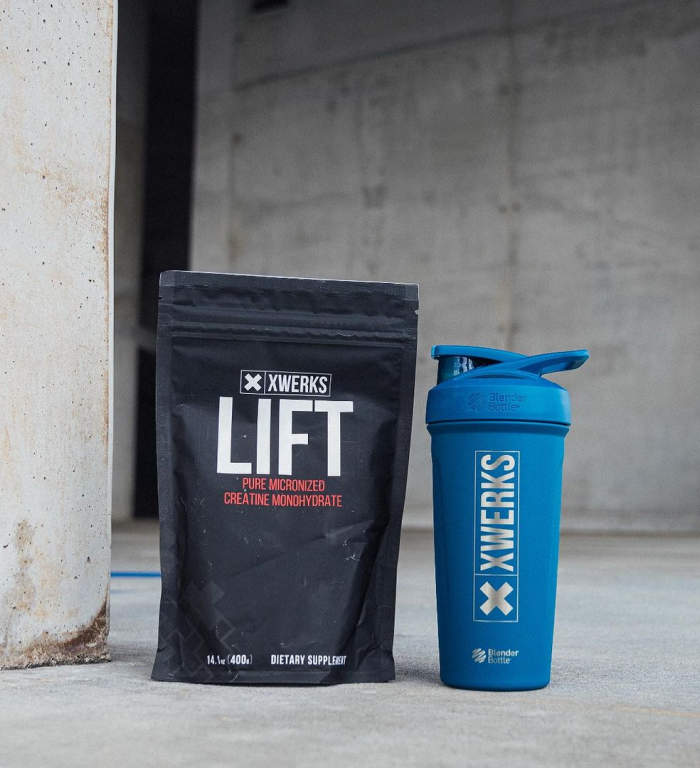
Whey protein and creatine are separate purchases with different label quantities and roles. Grow's serving is counted in grams of protein, while Lift's serving lists 5 g creatine monohydrate. Compare each product against the specific gap it is meant to address rather than treating both as interchangeable strength powders. Grow label Lift label
Keeping the choices separate also clarifies the budget. A buyer may need a convenient protein food, may choose daily creatine, may use both, or may choose neither. The product comparison should explain the ingredient and intended use without assigning every supplement the same promised outcome.
What changes when choosing protein for meet travel?
Meet travel adds storage, mixing, and meal-access constraints to the protein decision. A familiar powder serving can be practical when a shaker and suitable liquid are available. A ready-to-drink option or ordinary food may be simpler when clean-up is difficult.
For a weight-class athlete, keep the protein choice within the existing food and weigh-in plan rather than using a buying guide as a last-minute cutting protocol. Pack quantities based on actual expected use and preserve the meal routine already rehearsed during training.
Will a protein powder increase a powerlifting total?
A label comparison cannot establish an increase in a squat, bench, deadlift, or meet total. Choose powder for its nutritional role in the wider training diet.
Why compare cost per 25 g protein?
An equal-protein calculation avoids treating different scoop sizes and protein amounts as equivalent. Package price alone leaves out those differences.
Does Grow include creatine?
Grow is a whey-isolate product; Lift is the separate XWERKS creatine-monohydrate product. Read each product's ingredient label when building a routine. Grow label Lift label
Does every Grow flavor have the same protein amount?
Grow's chocolate label lists 25 g protein, while peanut butter lists 23 g. Use the label of the flavor purchased for any meal or recipe calculation. Grow label
Is Grow dairy-free?
Grow contains whey protein isolate and lists milk as an allergen. Grow is not a dairy-free option. Grow label
Which product should you choose?
Choose Grow when its whey-isolate serving and selected flavor fit the lifting diet at a price you will keep paying. Compare alternatives per 25 g protein, count whatever you add to the shake, and choose a travel-friendly format when preparation is the real constraint. Grow label
Where can you read more?
For more detail on the ingredients and training choices around XWERKS Grow, see Creatine for powerlifting, Building a daily protein plan, Protein around workouts.
How were these options compared?
We compared manufacturer labels, full serving amounts, prices and the practical needs described in this article. Sources were checked September 25, 2026. Prices are one-time purchases before delivery, tax and discounts; calculations and planning examples are identified in the text.
The linked research provides ingredient context. This comparison does not report original product testing.
- XWERKS Grow product and flavor labels
- XWERKS Lift ingredient and serving label
- ISSN position stand: protein and exercise (2017)
- Legion Whey+ product information