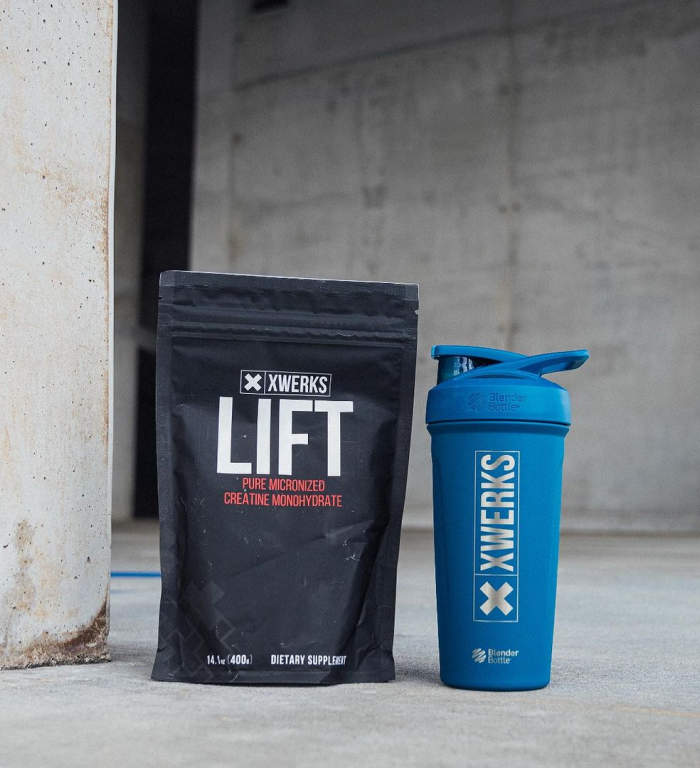
For adult BJJ athletes who want a simple daily powder, our pick is XWERKS Lift: unflavored creatine monohydrate with 5 grams per scoop. Choose a product with current sport certification if your competition program requires that extra screening. The right choice also needs to fit your weight-class plan and your routine away from the mats.
Buying creatine for jiu jitsu should start with the label, not a promise to win more rounds. A clean dose is useful to compare. A guaranteed improvement in submissions, grip endurance, or tournament results is not something a product label can establish.
Which creatine should a grappler buy?
These options serve different purchasing priorities. The shared active ingredient is creatine monohydrate; the main differences below are packaging, serving size, and certification information.
| Product | Label details | Best fit |
|---|---|---|
| XWERKS Lift | 5 g per scoop; 80 servings; unflavored | A straightforward powder to add to an existing daily routine |
| Momentous Creatine Monohydrate | 5 g; 90 servings; brand lists NSF Certified for Sport | Athletes prioritizing sport certification |
| BulkSupplements Creatine Monohydrate | About 5 g per labeled serving; unflavored option | Buyers comparing bulk package sizes and cost per gram |
Why monohydrate is the starting point
Creatine monohydrate has extensive evidence for supporting high-intensity exercise and training adaptations. Applying that evidence to grappling is a reasonable training rationale, but it does not prove that a particular brand improves BJJ match outcomes. See the ISSN creatine position stand.
For a grappler, the practical question is where the supplement fits: strength sessions, repeated hard efforts, and a consistent training block. Skill development, pacing, conditioning, and recovery still determine what happens when you roll. Treat creatine as one optional part of that larger program.
Why we recommend Lift for a simple routine
Lift provides one ingredient and an unflavored format. You can measure a serving without also committing to caffeine, a sweet flavor, or a pre-workout blend. That makes it easier to keep the same routine whether you train at lunch, attend an evening class, or take a day off.
The 80-serving container also makes the purchase easy to budget. Compare the checkout price per labeled serving, including shipping and any subscription terms. Do not assume that a larger-looking tub contains more creatine, or that a more expensive form is better suited to grappling.
What changes if you compete in a weight class?
Creatine can increase body weight through changes in body water, especially early in supplementation. A loading phase is optional. Those points matter when you have a weigh-in approaching; the 2021 evidence review discusses both.
Our practical recommendation is to introduce any new supplement during a normal training block, with time to observe your response. Record morning body weight under consistent conditions and discuss your competition plan with your coach or sports dietitian. Starting a new product during the final days before a weigh-in adds an avoidable variable.
Also separate certification from marketing language. A statement about purity is not the same as a sport certification. If certification is a requirement, verify the exact product in the relevant program’s current directory before purchasing.
A routine that fits mat time
Keep the container near a habit you already repeat, such as breakfast or your post-training meal. Use the labeled serving and track any creatine included in other supplements so you know your total intake. There is no need to turn a busy locker-room moment into the only time you can remember it.
For more detail on building that routine, read our creatine dosage guide and creatine on rest days. If you are comparing an acute stimulant with a daily supplement, our BJJ pre-workout guide explains the separate purchasing decision.
How to compare creatine during a real BJJ training block
Make the purchase around a week you recognize. A grappler attending two technique classes and one open mat has a different schedule from someone combining morning lifting with evening competition rounds. Write down where a daily serving will fit before deciding whether a larger container or a portable format is more convenient.
Choose one familiar training reference. That might be completing the same strength session, following a planned round schedule, or maintaining your usual preparation for class. Keep the reference specific enough to describe afterward. “Felt powerful” is harder to interpret than a note that you completed the planned sets with the usual rest periods.

What belongs in a grappler's supplement log?
Record the date, the product and labeled serving, whether you took other creatine, the session you completed, and anything unusual about food or sleep. Add tolerance notes when relevant. If body weight matters for your competition plan, discuss the tracking approach with your coach rather than treating every daily fluctuation as a supplement effect.
Keep opponent changes in the notes too. Five rounds with unfamiliar training partners are not directly comparable with five rounds against your regular group. A successful week can still be useful feedback about the routine, but it does not establish that the powder caused a particular roll to go well.
Use the log to answer a practical buying question: does this product make a consistent routine easy enough to maintain? If you repeatedly forget a tub kept in your gym bag, moving it beside breakfast may solve more than switching brands. If mixing is the real obstacle, a clearly labeled alternative format may deserve a look.
Three situations that change the buying decision
You are building an ordinary training block. Prioritize an uncomplicated monohydrate label, a routine you can repeat, and enough supply to avoid an unplanned change halfway through the block. Lift fits that brief without adding caffeine to evening classes.
A tournament is approaching. Check your existing plan before changing anything. Your normal body-weight pattern, weigh-in timing, travel, meals, and product requirements all belong in that conversation. A new tub is not a reason to introduce several new supplements together.
You already take a blended supplement. Read its full panel before adding a standalone product. Write down any creatine it provides. Comparing only the front labels can hide overlapping ingredients, especially when one product is marketed for strength and another for pre-workout use.
What to check before reordering
Look at how many labeled servings you actually have left and allow for shipping before the container is empty. Check the current ingredient panel again if the packaging or formula changes. Keep a photo of the label and lot information when your competition program asks you to document supplements.
A useful reorder decision considers the whole experience: whether the format was convenient, whether the serving was easy to account for, and whether the routine fit your training calendar. There is no need to turn a good habit into a search for a more elaborate formula every month.
Frequently asked questions
Is there a special type of creatine for BJJ?
No BJJ-specific form is required. Compare creatine monohydrate products by dose, quality information, convenience, and your competition requirements.
Should I start creatine immediately before a tournament?
A normal training block gives you more time to assess routine, tolerance, and body-weight changes. Keep tournament week focused on a plan you already know.
Is Lift a pre-workout?
Lift is a creatine monohydrate powder and contains no caffeine. It is a different product choice from a stimulant pre-workout.
Can I mix my daily creatine into a protein shake?
An unflavored powder can fit an existing drink when used according to its directions. Account for the creatine in the whole routine, and avoid adding a second serving simply because you also train later.
How should I compare creatine when my training partners change?
Record the session and partner context. Use familiar strength work or a repeatable training task as an additional reference, and avoid attributing the result of one roll to a supplement.
Our recommendation
Choose XWERKS Lift when you want a simple, unflavored daily creatine. Put verified sport certification first when your competition setting calls for it, and make the decision early enough to keep your weigh-in plan predictable.
How we chose these products
This guide is published by XWERKS, which sells one of the products compared. We evaluated current manufacturer information for creatine form, labeled dose, ingredient simplicity, package size, and sport-certification information. These are editorial recommendations based on labels and intended use; they do not represent hands-on testing or a clinical comparison of brands. Product details were checked on September 10, 2026. Check the current label for your chosen flavor and size.